
Every click, pause, swipe, and search leaves a trace. Over time, these traces accumulate into something far more detailed than a browsing history. They form what can be called a “data shadow”—a digital double constructed from behavioral signals, preferences, movements, purchases, and interactions. This shadow does not sleep, forget, or rely on memory. It is continuously updated, analyzed, and refined by algorithms that may, in certain respects, know patterns about you that you have never consciously recognized.
Unlike a social media profile, which you curate intentionally, a data shadow is built passively. It includes obvious inputs such as posts, likes, and location check ins, but it also encompasses metadata: how long you linger on a video, what time you are most active online, which products you hover over but do not buy, and how your typing speed changes when responding to certain topics. Seemingly trivial fragments combine to reveal habits, routines, and inclinations. In aggregate, they become predictive.
Modern machine learning systems excel at identifying correlations across massive datasets. From purchase histories and browsing patterns, companies can infer socioeconomic status, political leanings, health concerns, and even emotional states. Retailers anticipate what customers are likely to need next. Streaming services predict which shows will hold attention. Advertisers tailor messaging to resonate with psychological profiles derived from behavioral signals. The data shadow is not static; it is a dynamic model continuously recalibrated to forecast future behavior.
In some cases, these predictive systems may recognize tendencies before individuals consciously acknowledge them. A person might believe they make spontaneous shopping decisions, yet algorithms detect consistent cycles of impulse spending tied to payday schedules or seasonal moods. Someone may view themselves as politically moderate, while their online reading patterns cluster strongly within a particular ideological category. These insights emerge not from introspection but from statistical analysis.
This asymmetry of knowledge creates a subtle power imbalance. Companies that control large data ecosystems can leverage predictive insights to influence decisions. Personalized advertisements are designed to appear at moments of vulnerability or receptivity. Recommendation systems shape what information surfaces first, potentially guiding opinions or preferences. While personalization can enhance convenience, it also narrows exposure, reinforcing patterns that the data shadow identifies as likely to sustain engagement.
The economic value of the data shadow is immense. Behavioral data fuels targeted advertising, dynamic pricing, product development, and market forecasting. In many digital business models, user data is not merely a byproduct; it is the core asset. The more detailed the shadow, the more precise the targeting. This reality challenges traditional notions of ownership. Individuals generate the data through daily activities, yet corporations typically control its storage, analysis, and monetization.
Privacy debates often focus on explicit personal information—names, addresses, or identification numbers. However, the predictive inferences drawn from aggregated behavior can be equally revealing. A data shadow might suggest susceptibility to certain marketing strategies or forecast life changes such as moving, career transitions, or family expansion. These insights may never be directly disclosed to the individual, yet they shape the digital environment presented to them.
There are benefits to data driven personalization. Customized recommendations can save time and surface relevant content. Health tracking technologies use behavioral data to provide feedback that supports well being. Fraud detection systems rely on pattern recognition to protect consumers. The challenge lies not in data analysis itself, but in transparency, consent, and accountability.
As awareness of data shadows grows, regulatory frameworks have begun to evolve. Data protection laws in various regions aim to grant individuals greater access to and control over their information. Concepts such as data portability and the right to explanation attempt to address opaque algorithmic decision making. Still, the technical complexity of large scale machine learning systems makes full transparency difficult.
Ultimately, the data shadow raises a philosophical question about self knowledge. Humans understand themselves through memory, reflection, and narrative. Algorithms understand individuals through correlation and prediction. When these two forms of knowledge diverge, which feels more authoritative? The existence of a digital double that can anticipate choices before conscious deliberation challenges traditional ideas of autonomy.
Reclaiming agency in the age of data shadows does not require rejecting technology, but it does demand vigilance. Critical awareness of how behavioral traces are collected and used can inform more intentional digital habits. Stronger privacy protections and ethical data governance can rebalance power. The data shadow may be an unavoidable companion in a connected world, but understanding its contours is the first step toward ensuring that it does not eclipse the self it represents.
Great experience with Computer Geek. They helped with my website needs and were professional, respon . . . [MORE].

Great, quick service when my laptop went into meltdown and also needed Windows 11 installed. Also ca . . . [MORE].
It was a great experience to working with you. thank you so much. . . . [MORE].
Thank you so much for great service and over all experience is good . highly recommended for all peo . . . [MORE].
We engaged The Computer Geeks in mid-2023 as they have a reputation for API integration within the T . . . [MORE].
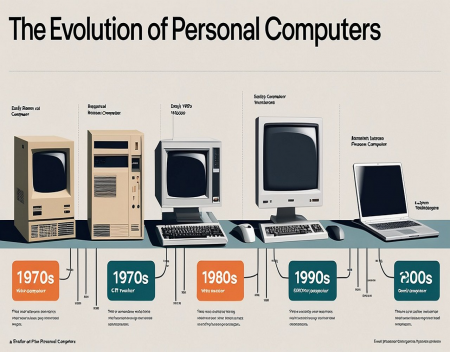
The Evolution of Personal

The Hidden Cost of Free A
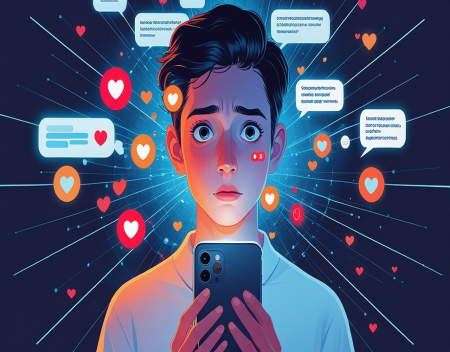
The Psychology of Notific