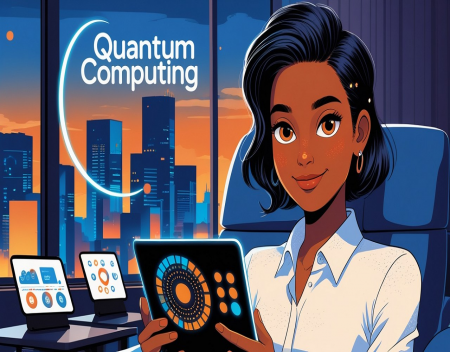
For years, Quantum Computing has been described as a revolutionary technology capable of solving problems far beyond the reach of today’s computers. It is often associated with breakthroughs in science, cryptography, and large-scale data analysis. But for the average consumer, the question remains: what does quantum computing actually mean in everyday life, and when will its impact be felt.
To understand its relevance, it helps to first recognize how different quantum computing is from traditional computing. Classical computers, whether powered by x86 architecture or ARM architecture, process information using bits that represent either a 0 or a 1. Quantum computers, by contrast, use quantum bits, or qubits, which can exist in multiple states simultaneously. This allows them to perform certain types of calculations much more efficiently, particularly those involving complex simulations or large datasets.
For consumers, the direct use of quantum computers is unlikely in the near future. These machines require highly specialized environments, including extremely low temperatures and precise control systems. They are not something that will be sitting on a desk or carried in a pocket anytime soon. Instead, their impact will be indirect, shaping the services and technologies that people use every day.
One of the most significant areas where consumers may feel the effects of quantum computing is in cybersecurity. Many current encryption methods rely on mathematical problems that are difficult for classical computers to solve. Quantum computers, however, have the potential to break some of these encryption schemes much more quickly. This has led to concerns about data security, particularly for sensitive information such as financial records and personal communications.
At the same time, quantum computing is driving the development of new, more secure encryption methods. These so-called “quantum-resistant” algorithms are designed to withstand attacks from quantum systems. For consumers, this means that while there may be risks, there are also efforts underway to strengthen security. Over time, the transition to more advanced encryption standards will likely happen behind the scenes, with minimal disruption to everyday users.
Another area of impact is optimization. Quantum computers excel at solving complex optimization problems, which can improve efficiency in industries such as logistics, transportation, and energy. For consumers, this could translate into faster delivery times, more efficient travel routes, and better resource management. While these improvements may not be directly attributed to quantum computing in daily life, they can enhance overall convenience and reduce costs.
Healthcare is another field where quantum computing could have long-term effects. By enabling more accurate simulations of molecules and biological systems, quantum computers may accelerate drug discovery and improve treatment options. This could lead to more effective medications and personalized healthcare solutions. For consumers, the benefits would be seen in better outcomes and potentially faster access to new treatments.
Artificial intelligence is also expected to benefit from quantum advancements. While Artificial Intelligence already plays a major role in modern technology, quantum computing could enhance its capabilities by processing complex data more efficiently. This might lead to smarter recommendations, improved voice assistants, and more advanced automation. Again, the impact would be indirect, but noticeable in the performance of everyday tools and services.
Despite these potential benefits, it is important to manage expectations. Quantum computing is still in its early stages, and many technical challenges remain. Building stable, scalable quantum systems is difficult, and widespread practical applications may still be years away. For consumers, this means that the immediate impact will be limited, with gradual changes occurring over time rather than sudden transformations.
There are also economic and accessibility considerations. Quantum technology is expensive to develop and maintain, which may concentrate its use among large organizations and governments. Ensuring that the benefits of quantum computing are widely distributed will be an important challenge. Without careful planning, there is a risk that its advantages could be unevenly shared.
Ultimately, the real impact of quantum computing on consumers will not come from owning or directly interacting with quantum devices. Instead, it will emerge through improvements in the systems and services that people already use. From stronger security to more efficient operations and better healthcare, the influence of quantum computing will be woven into the fabric of modern life.
In the end, quantum computing represents a shift in what is possible rather than a change in what is visible. For consumers, it will be less about new devices and more about enhanced experiences. As the technology matures, its effects will become more apparent, shaping the future in ways that may be subtle but significant.
Great experience with Computer Geek. They helped with my website needs and were professional, respon . . . [MORE].

Great, quick service when my laptop went into meltdown and also needed Windows 11 installed. Also ca . . . [MORE].
It was a great experience to working with you. thank you so much. . . . [MORE].
Thank you so much for great service and over all experience is good . highly recommended for all peo . . . [MORE].
We engaged The Computer Geeks in mid-2023 as they have a reputation for API integration within the T . . . [MORE].
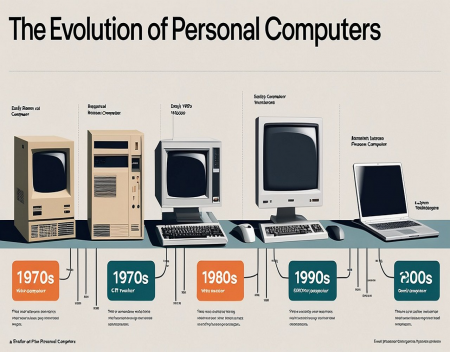
The Evolution of Personal
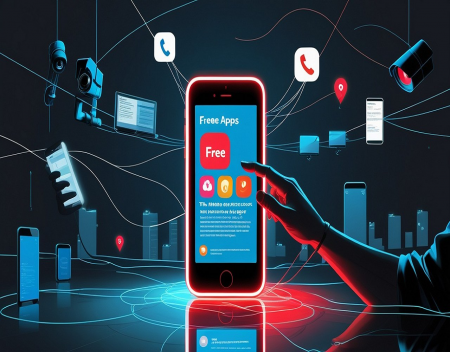
The Hidden Cost of Free A
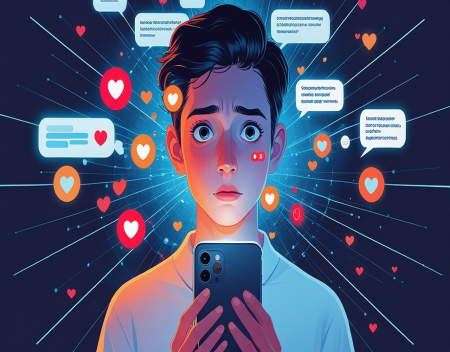
The Psychology of Notific