
Modern life depends heavily on cloud computing, often in ways people do not even realize. Streaming services, online banking, business software, social media, gaming platforms, file storage, and smart devices all rely on remote servers operating behind the scenes. Because these services feel so seamless, it is easy to forget how much of the digital world depends on centralized infrastructure. But when the cloud experiences problems, the effects can spread quickly and disrupt millions of users at once.
At its core, Cloud Computing refers to the use of remote servers and data centers to provide computing services over the internet. Rather than running everything locally on personal computers or private servers, businesses and consumers increasingly rely on cloud providers to host applications, process data, and store information. This approach offers convenience, scalability, and efficiency, but it also creates dependency.
When people hear the phrase “the cloud goes down,” it usually means that one or more major cloud services are experiencing outages or severe disruptions. These failures can happen for many reasons, including software bugs, hardware failures, networking problems, cyberattacks, power outages, or even human error during maintenance or updates.
The immediate effects are often highly visible. Websites may stop loading, mobile apps may fail to connect, and online services may become unavailable. Users might suddenly lose access to email, shared documents, streaming content, or cloud-stored files. Businesses that depend entirely on cloud infrastructure may find themselves temporarily unable to operate.
One of the reasons cloud outages can be so disruptive is the concentration of services among a relatively small number of providers. Companies such as Amazon Web Services, Microsoft Azure, and Google Cloud power a huge portion of the internet. Thousands of businesses rely on these platforms simultaneously. If a major provider experiences problems, the impact can spread far beyond a single company or application.
For consumers, outages may seem like an inconvenience, but for businesses, the consequences can be far more serious. E-commerce platforms may lose sales if customers cannot access websites. Financial services may experience delays or interruptions. Communication tools used by remote workers may stop functioning, reducing productivity across entire organizations. In industries such as healthcare or transportation, service disruptions can have even more significant implications.
Cloud outages also reveal how interconnected modern systems have become. Many applications rely on third-party cloud services for authentication, data storage, analytics, or payment processing. If one service fails, it can create cascading problems across multiple platforms. A seemingly isolated outage may trigger widespread disruptions because so many systems depend on one another behind the scenes.
Another major concern during outages is data accessibility. While cloud providers typically maintain backups and redundant systems, users may temporarily lose access to important information. This highlights the importance of redundancy and disaster recovery planning. Organizations that maintain local backups or hybrid systems are often better prepared to continue operations during disruptions.
Cybersecurity is another factor. Some outages are caused not by technical failures but by malicious attacks. Distributed denial-of-service attacks, ransomware incidents, or infrastructure breaches can interrupt services and compromise systems. As cloud platforms become increasingly central to global infrastructure, they also become more attractive targets for attackers.
The rise of Artificial Intelligence has increased cloud dependency even further. Many AI systems require massive computing power and rely on cloud infrastructure for training and deployment. If cloud services are interrupted, AI-powered applications and tools may also become unavailable. This creates new challenges as businesses integrate AI more deeply into their operations.
Despite these risks, cloud providers invest heavily in reliability and resilience. Large data centers are designed with redundancy, backup power systems, multiple network connections, and failover mechanisms to minimize downtime. Most outages are resolved relatively quickly, and the overall reliability of cloud services remains very high compared to many traditional systems.
However, no system is completely immune to failure. Even the largest and most advanced providers occasionally experience problems. These events serve as reminders that convenience and centralization come with trade-offs. The more society depends on cloud infrastructure, the more important resilience and contingency planning become.
Looking ahead, technologies such as Edge Computing may help reduce some of the risks associated with centralized cloud dependency. By processing data closer to users and devices, edge systems can continue operating even if cloud connectivity is interrupted. Hybrid approaches that combine local processing with cloud services are also becoming more common.
In the end, when the cloud goes down, the effects can ripple through nearly every part of the digital world. What may appear to users as a temporary inconvenience often reflects much larger challenges within the interconnected systems that power modern life. As technology continues to evolve, balancing convenience, reliability, and resilience will remain one of the defining challenges of the digital era.
Great experience with Computer Geek. They helped with my website needs and were professional, respon . . . [MORE].

Great, quick service when my laptop went into meltdown and also needed Windows 11 installed. Also ca . . . [MORE].
It was a great experience to working with you. thank you so much. . . . [MORE].
Thank you so much for great service and over all experience is good . highly recommended for all peo . . . [MORE].
We engaged The Computer Geeks in mid-2023 as they have a reputation for API integration within the T . . . [MORE].
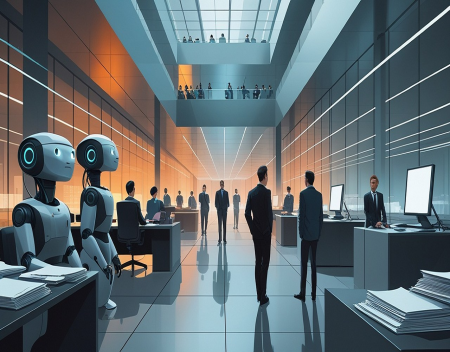
The Rise of Automation in
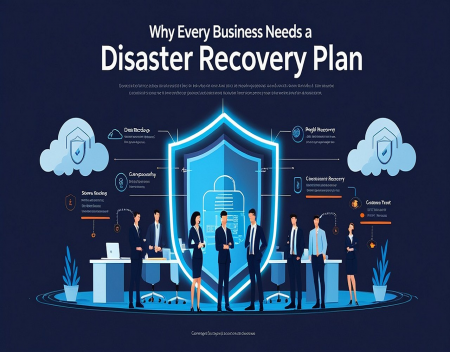
Why Every Business Needs
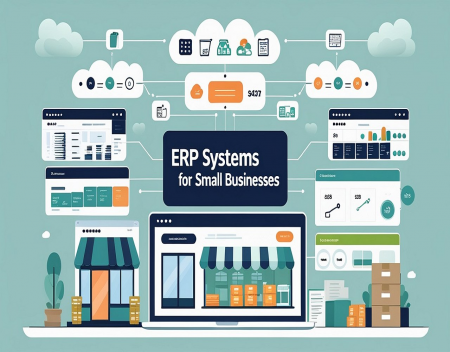
ERP Systems for Small Bus