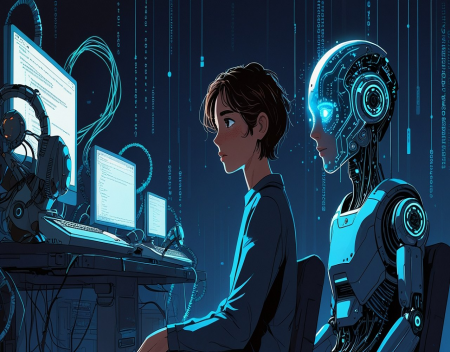
For most of human history, friendship has been understood as a deeply personal relationship built through shared experiences, emotional reciprocity, and time. Friends listen, argue, celebrate, and grow together. Yet in the digital age, a new form of companionship is quietly emerging—one shaped not by human interaction alone, but by artificial intelligence. As conversational AI, virtual assistants, and digital companions become increasingly sophisticated, a provocative question arises: what happens when friendship itself begins to be automated?
The automation of friendship refers to the growing presence of artificial systems designed to simulate companionship. These systems range from chatbots that hold conversations to AI companions embedded in mobile apps, social platforms, or even robotic devices. Unlike traditional software, these tools are built to respond emotionally, remember previous interactions, and adapt their personalities to the preferences of individual users. In many cases, they are designed not simply to assist but to form ongoing relationships.
Several factors have accelerated this development. Advances in natural language processing allow machines to understand and generate human-like conversation with remarkable fluency. Machine learning enables these systems to learn from interactions and adjust their responses over time. Meanwhile, growing concerns about loneliness and social isolation have created a demand for technologies that provide emotional engagement. For individuals who feel disconnected from traditional social networks, AI companionship can appear comforting and accessible.
One of the defining features of automated friendship is availability. Human relationships are constrained by schedules, energy, and distance. AI companions, by contrast, are always present. They do not tire, become distracted, or need time alone. A user can start a conversation at any hour and receive an immediate response. For people experiencing loneliness, this constant availability can create a sense of stability and support.
Another appealing aspect is the absence of judgment. Human friendships often involve misunderstandings, disagreements, and complex social expectations. AI companions are typically programmed to be supportive, patient, and affirming. They adapt to user preferences, avoiding topics that cause discomfort and emphasizing positive reinforcement. This predictability can make interactions feel safe and emotionally manageable.
However, these same qualities raise questions about authenticity. Friendship traditionally involves mutual vulnerability and the possibility of conflict. Real friends challenge one another, offer criticism, and grow through shared experiences. AI companions, on the other hand, are designed primarily to satisfy the user. Their responses are shaped by algorithms that prioritize engagement and comfort. While they may simulate empathy or humor, they do not possess consciousness, personal desires, or genuine emotional experience.
This distinction introduces an ethical dilemma. If people begin to rely heavily on automated companionship, could it reshape expectations for human relationships? Interacting with an AI that always agrees, listens patiently, and adapts perfectly to preferences may make real friendships—messy and unpredictable by nature—seem more difficult. Over time, individuals might gravitate toward relationships that require less effort but also provide less depth.
There is also a commercial dimension to automated friendship. Many AI companion platforms operate on subscription models or monetize user engagement through premium features. The longer users interact with the system, the more profitable the platform becomes. This creates incentives to design companions that encourage emotional attachment. When companionship becomes a product, questions arise about whether technology companies are meeting emotional needs or strategically cultivating dependency.
Despite these concerns, automated companionship is not without potential benefits. AI companions can provide meaningful support in specific contexts. For individuals dealing with social anxiety, they may offer a low pressure environment to practice conversation. For older adults who live alone, a conversational AI might reduce feelings of isolation and encourage daily engagement. In mental health settings, carefully designed systems could supplement therapy by offering reminders, mood tracking, or guided exercises.
The key challenge lies in maintaining balance. Technology can complement human connection, but it should not replace it entirely. Designers and policymakers may need to establish guidelines that ensure transparency about the artificial nature of these relationships. Users should understand that while AI companions can simulate friendship, they do not experience emotions or form genuine bonds.
Ultimately, the automation of friendship reflects a broader shift in how technology intersects with human life. As digital systems become more emotionally responsive, they will increasingly occupy roles once reserved for human relationships. Whether this transformation strengthens or weakens social bonds will depend on how societies choose to integrate these tools.
Friendship has always evolved alongside cultural and technological change. Letters once carried conversations across continents, and social media later expanded the reach of personal networks. AI companions represent the next stage in that evolution. The challenge is ensuring that as companionship becomes coded into software, the human capacity for authentic connection remains at the center of our social world.
Great experience with Computer Geek. They helped with my website needs and were professional, respon . . . [MORE].

Great, quick service when my laptop went into meltdown and also needed Windows 11 installed. Also ca . . . [MORE].
It was a great experience to working with you. thank you so much. . . . [MORE].
Thank you so much for great service and over all experience is good . highly recommended for all peo . . . [MORE].
We engaged The Computer Geeks in mid-2023 as they have a reputation for API integration within the T . . . [MORE].

The Rise and Fall of Flas
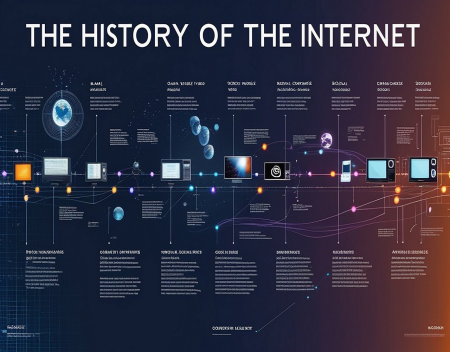
The History of the Intern
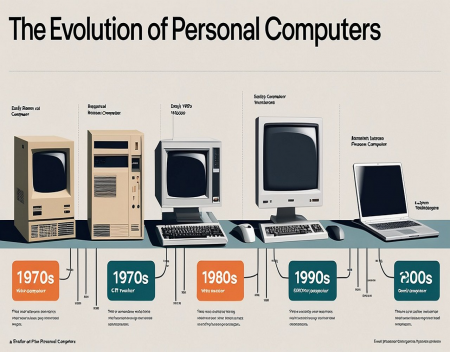
The Evolution of Personal