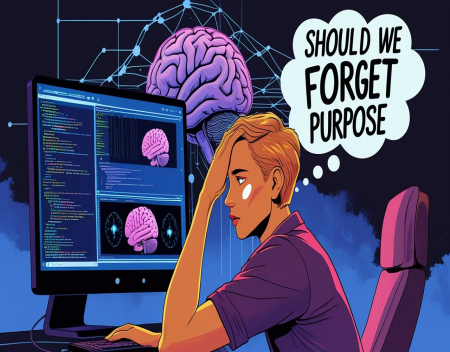
Memory has long been treated as something sacred and immutable, a personal archive that defines who we are and how we understand the world. Yet advances in neuroscience, psychology, and artificial intelligence are steadily challenging that assumption. Memory editing technologies, once confined to speculative fiction, are moving closer to reality through techniques such as targeted psychotherapy, pharmacological intervention, neural stimulation, and experimental brain computer interfaces. These developments raise a profound and uncomfortable question. Should we ever choose to forget on purpose.
At the most basic level, memory editing does not necessarily mean erasing experiences entirely. In many current and emerging approaches, the goal is to alter how memories are emotionally processed rather than removing factual recall. Treatments for post traumatic stress disorder already attempt this in limited ways, helping patients revisit traumatic memories in controlled environments so their emotional charge is reduced. Experimental drugs have been shown to interfere with memory reconsolidation, weakening the emotional intensity of painful recollections without deleting the memory itself. These methods suggest that forgetting, or at least softening remembrance, can be therapeutic rather than destructive.
The appeal of intentional forgetting becomes especially clear when considering the burden of trauma. For individuals haunted by war, abuse, accidents, or loss, memory can function less as a guide and more as a prison. Persistent intrusive memories can distort identity, relationships, and decision making. In such cases, memory editing technologies offer a form of liberation. They promise relief not through denial, but through recalibration of the mind’s response to past events. From this perspective, forgetting is not an act of weakness, but a deliberate strategy for survival and healing.
However, memory is not merely a storage system for pain. It is also the foundation of learning, accountability, and moral growth. Mistakes remembered are mistakes less likely to be repeated. Regret, guilt, and discomfort often serve as internal signals that shape ethical behavior. If individuals gain the ability to selectively erase or alter memories, there is a risk that responsibility itself becomes negotiable. Forgetting wrongdoing could weaken personal accountability and undermine shared notions of justice. A society in which memory can be edited at will may struggle to maintain coherent standards of responsibility and consequence.
There is also the question of identity. Human beings are not defined only by their happiest moments. Identity is formed through struggle, loss, and adaptation. Memories of hardship often contribute to resilience, empathy, and wisdom. Removing or dulling those experiences could fundamentally alter a person’s sense of self. If someone forgets the pain that shaped their values, are they still the same person. Or have they become a curated version of themselves, optimized for comfort rather than authenticity.
The ethical implications extend beyond individuals to institutions and power structures. Memory editing technologies, if controlled by governments, corporations, or medical authorities, could become tools of influence rather than healing. History shows that control over narrative is a form of power. If memories can be modified, suppressed, or reframed at scale, the potential for abuse is immense. Dissent could be softened, grievances muted, and inconvenient experiences quietly erased. Even if participation is nominally voluntary, social or economic pressure could make forgetting feel mandatory rather than optional.
Another concern lies in inequality. Access to memory editing technologies would almost certainly be uneven. Those with wealth and influence might choose to forget failures, losses, or moral compromises, while others would remain bound to the full weight of their experiences. Memory could become another domain in which privilege allows optimization while hardship remains unfiltered for everyone else. In such a world, emotional resilience itself could become a luxury commodity.
At the same time, refusing to explore memory editing altogether may also be unethical. If technology exists that can alleviate profound suffering, denying it outright risks prioritizing philosophical purity over human wellbeing. The challenge lies not in deciding whether memory editing should exist, but in determining under what conditions it should be used. Clear boundaries would be essential. Editing memories to escape accountability or manipulate behavior raises very different ethical concerns than editing memories to treat severe psychological harm.
Ultimately, the question of whether we should forget on purpose forces a deeper confrontation with what it means to be human. Memory connects past, present, and future into a coherent narrative. Altering that narrative changes not only how we feel, but how we choose, judge, and relate to others. Forgetting can heal, but it can also hollow out meaning if used carelessly. As memory editing technologies continue to develop, society will need to decide whether forgetting is a form of care, a form of control, or something uncomfortably in between.
Great experience with Computer Geek. They helped with my website needs and were professional, respon . . . [MORE].

Great, quick service when my laptop went into meltdown and also needed Windows 11 installed. Also ca . . . [MORE].
It was a great experience to working with you. thank you so much. . . . [MORE].
Thank you so much for great service and over all experience is good . highly recommended for all peo . . . [MORE].
We engaged The Computer Geeks in mid-2023 as they have a reputation for API integration within the T . . . [MORE].
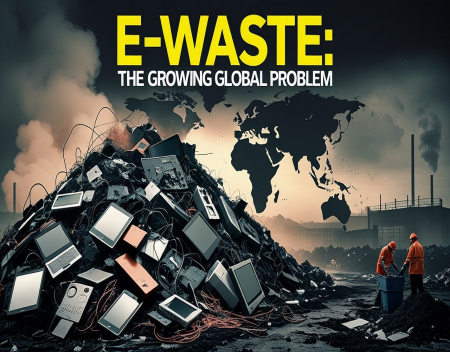
E-Waste: The Growing Glob
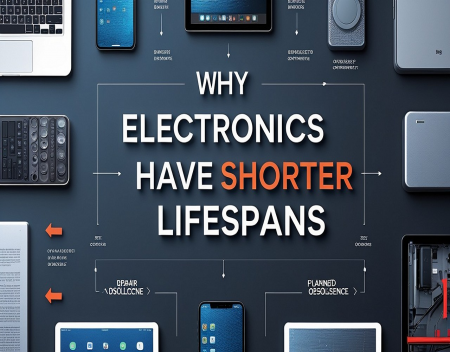
Why Electronics Have Shor

The Future of Smart Homes