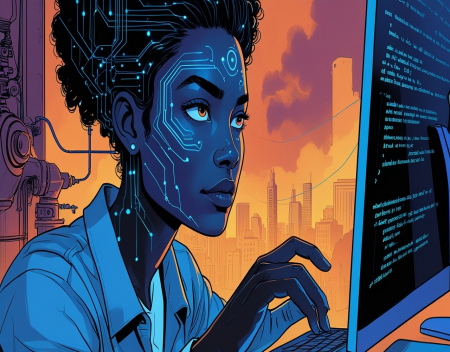
Human Labor in the Age of Invisible Algorithms.
In today’s rapidly evolving digital landscape, human labor is being reshaped by forces that are often unseen, unrecognized, and poorly understood. These forces come in the form of invisible algorithms—complex systems of code that quietly make decisions, assign value, and influence outcomes across nearly every industry. From hiring processes and delivery routes to content visibility and financial approvals, algorithms have become silent managers, subtly guiding how work is performed and who gets rewarded for it.
Unlike traditional forms of management, which involve direct human oversight, algorithmic systems operate behind the scenes. Workers often do not know how decisions are made or why certain outcomes occur. A rideshare driver, for instance, might notice fluctuations in ride assignments or earnings without any clear explanation. A content creator may see their posts suddenly lose visibility, unsure of what triggered the change. This lack of transparency creates a new kind of labor environment—one where workers are managed not by people they can question, but by systems they cannot see.
One of the defining features of algorithm-driven labor is optimization. Algorithms are designed to maximize efficiency, productivity, and profit. While this can lead to streamlined operations, it often places intense pressure on workers to perform according to metrics they do not control. Delivery drivers are routed based on efficiency calculations, warehouse workers are monitored for speed and accuracy, and freelancers compete in global marketplaces where algorithms rank their visibility and desirability. The result is a work environment that prioritizes measurable outputs, sometimes at the expense of human well-being.
Another key aspect is data dependency. Workers in algorithmic systems are constantly generating data through their actions—clicks, movements, response times, and performance metrics. This data is then fed back into the system to refine and adjust the algorithm’s behavior. In many cases, workers themselves become part of the machine, contributing to a feedback loop that continuously reshapes the conditions of their labor. However, they rarely have access to this data or the insights derived from it, creating an imbalance of power between workers and the systems that govern them.
The rise of invisible algorithms also introduces new forms of inequality. Because algorithms are built by humans, they can inherit biases present in their training data or design. This can lead to unfair outcomes in hiring, pay distribution, or job visibility. For example, automated hiring systems might favor certain backgrounds or experiences without explicitly stating so, leaving qualified candidates excluded without explanation. Similarly, gig workers may find their opportunities limited by opaque rating systems that influence how often they are offered work.
At the same time, algorithmic labor systems often blur the boundaries between employment and independence. Many workers are classified as independent contractors, yet their work is tightly controlled by algorithmic rules. They must follow specific guidelines, meet performance thresholds, and adhere to system-determined schedules, all without the benefits or protections traditionally associated with employment. This creates a paradox where workers are both free and constrained—able to choose when they work, but not how their work is evaluated or rewarded.
Despite these challenges, invisible algorithms also offer opportunities. They can create access to work for people who might otherwise be excluded from traditional job markets. Remote platforms allow individuals to earn income from anywhere, and automated systems can reduce barriers to entry in various industries. However, these benefits are often accompanied by instability, as algorithm-driven work can be unpredictable and subject to sudden changes.
As society moves further into this algorithmic age, questions of accountability and transparency become increasingly important. Who is responsible when an algorithm makes a harmful decision. How can workers challenge outcomes they do not understand. What rights should individuals have over the data they generate. These are not just technical questions, but ethical and social ones that will shape the future of work.
Ultimately, human labor in the age of invisible algorithms is defined by a tension between efficiency and autonomy, opportunity and control. While algorithms have the potential to enhance productivity and expand access to work, they also risk creating systems where workers are managed without visibility or voice. Addressing this imbalance will require not only technological solutions, but also thoughtful policies and a renewed focus on human-centered design. Only then can the benefits of algorithmic systems be realized without losing sight of the people they are meant to serve.
Great experience with Computer Geek. They helped with my website needs and were professional, respon . . . [MORE].

Great, quick service when my laptop went into meltdown and also needed Windows 11 installed. Also ca . . . [MORE].
It was a great experience to working with you. thank you so much. . . . [MORE].
Thank you so much for great service and over all experience is good . highly recommended for all peo . . . [MORE].
We engaged The Computer Geeks in mid-2023 as they have a reputation for API integration within the T . . . [MORE].

How Technology Is Changin

What Comes After Silicon

The Future of Batteries