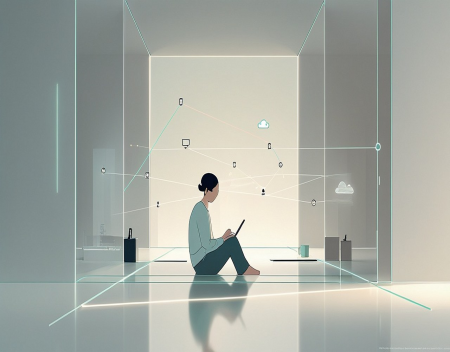
Technology has become an essential part of modern life. Smartphones, computers, social media, streaming services, and artificial intelligence tools help us communicate, work, learn, and entertain ourselves. However, the constant availability of digital content can also create distractions, increase stress, and make it difficult to concentrate on the things that matter most.
Digital minimalism is an approach to technology that encourages people to use digital tools intentionally rather than automatically. Instead of trying to eliminate technology, the goal is to focus on the devices, applications, and online activities that genuinely improve our lives while reducing those that consume our time without providing meaningful benefits.
The Problem with Constant ConnectivityModern digital devices are designed to keep us engaged. Notifications, alerts, recommendations, and endless scrolling encourage users to return to applications throughout the day. Even when we pick up a phone to check one message, we may find ourselves watching videos, reading news, or browsing social media for much longer than intended.
These habits can fragment our attention. Frequent interruptions make it harder to complete complicated tasks, remember information, or enjoy activities without distraction. Constant connectivity can also create pressure to respond immediately to messages, emails, and online discussions.
Social media introduces additional challenges. Comparing our lives with carefully selected images of other people's experiences can influence our expectations and self-esteem. Meanwhile, exposure to a continuous stream of alarming headlines and controversial opinions can leave us feeling overwhelmed.
The problem is not necessarily the technology itself. It is the amount of attention we surrender to it without consciously deciding whether that attention is well spent.
What Is Digital Minimalism?Digital minimalism involves choosing technology according to its value rather than its popularity or convenience. A digital minimalist asks whether an application, service, or device supports important personal or professional goals.
For example, someone might use social media to maintain relationships with distant family members but remove applications that encourage hours of passive browsing. Another person might keep a smartphone for navigation, banking, and communication while disabling unnecessary notifications.
The approach differs from simply reducing screen time. Spending two hours learning a new skill online may be more valuable than spending twenty minutes repeatedly checking notifications. What matters is not only how much time we spend using technology, but also what that time accomplishes.
Digital minimalism encourages people to make deliberate decisions about their online habits instead of allowing applications and algorithms to determine how they spend their attention.
Practical Ways to Simplify Digital LifeAdopting digital minimalism does not require expensive software or complicated rules. Small changes can make a meaningful difference.
1. Review your applications. Examine the applications on your phone and computer. Remove those you rarely use or that consistently distract you. Consider accessing certain services through a web browser instead of keeping their applications permanently available.
2. Reduce notifications. Keep alerts for important communications, security warnings, and essential services. Disable notifications from shopping applications, games, promotional services, and social media accounts that do not require immediate attention.
3. Establish phone-free periods. Set aside time for meals, conversations, exercise, hobbies, and relaxation without checking your devices. Keeping phones away from the dinner table or bedroom can help establish healthier boundaries.
4. Schedule digital activities. Instead of checking email and social media throughout the day, designate specific periods for these activities. Scheduled checks can reduce interruptions while ensuring that important communications are not neglected.
5. Make technology serve a purpose. Before opening an application or browsing the internet, identify what you want to accomplish. Once that task is complete, move on to something else rather than continuing to browse automatically.
The Benefits of Doing Less OnlineReducing unnecessary digital activity can improve concentration, productivity, and personal relationships. Fewer interruptions make it easier to complete work, read books, learn new skills, and engage in creative activities.
Digital minimalism can also encourage more meaningful social interaction. A conversation becomes more engaging when participants are not repeatedly checking their phones. Time previously spent scrolling can be redirected toward exercise, outdoor activities, family, or personal interests.
Better boundaries around technology may also support relaxation and sleep. Reducing late-night screen use and avoiding constant news updates can make it easier to disconnect from the demands of the online world.
There is an additional benefit: greater control over personal information. Using fewer applications and online services can reduce the amount of data shared with companies, although privacy still depends on the settings and practices of the services we continue using.
Finding the Right BalanceDigital minimalism does not mean rejecting modern technology or returning to a world without smartphones. Technology provides enormous advantages, including access to education, medical information, professional opportunities, and global communication.
The challenge is to preserve those advantages without allowing digital habits to dominate everyday life.
Different people will arrive at different solutions. A website developer may need to spend much of the day online, while someone else may use a computer primarily for occasional communication. Digital minimalism is flexible enough to accommodate both situations.
The important step is to evaluate technology regularly. An application that was useful several years ago may no longer deserve a place in our daily routine. New tools should also be judged by their practical value rather than by novelty alone.
ConclusionDigital minimalism offers a practical way to regain control over attention in an increasingly connected world. By reducing unnecessary notifications, limiting distracting applications, and using technology with clear intentions, people can make room for deeper concentration, stronger relationships, and more meaningful experiences.
Technology should help us accomplish our goals, not continually compete for our attention. The objective is not to disconnect from the digital world entirely, but to build a healthier relationship with it—one in which we decide when technology deserves our time and when it is better to put it aside.
Great experience with Computer Geek. They helped with my website needs and were professional, respon . . . [MORE].

Great, quick service when my laptop went into meltdown and also needed Windows 11 installed. Also ca . . . [MORE].
It was a great experience to working with you. thank you so much. . . . [MORE].
Thank you so much for great service and over all experience is good . highly recommended for all peo . . . [MORE].
We engaged The Computer Geeks in mid-2023 as they have a reputation for API integration within the T . . . [MORE].
Digital Minimalism in a C

Are We Becoming Too Depen

E-Waste: The Growing Glob