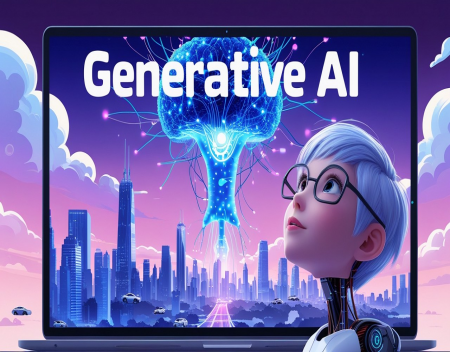
In recent years, one of the most significant shifts in computing has been the rapid integration of Generative AI into everyday software. What was once a niche area of research has quickly become a core feature in tools that millions of people use daily. From writing emails to editing photos, generating code, and even creating music, generative AI is transforming how software behaves and how users interact with it.
At its core, generative AI refers to systems that can create new content rather than simply analyze or process existing data. This includes text, images, audio, and even video. Unlike traditional software, which follows explicit instructions, generative AI systems are trained on large datasets and learn patterns that allow them to produce outputs that feel natural and often human-like. This shift represents a move away from rigid, rule-based computing toward more adaptive and creative systems.
One of the most visible impacts of generative AI is in writing and communication tools. Email platforms, word processors, and messaging apps are increasingly incorporating AI features that can suggest responses, rewrite text, or generate entire documents based on simple prompts. This is powered by advances in Machine Learning, particularly large language models that understand context and nuance. For users, this means less time spent drafting and editing, and more focus on ideas and decision-making.
In the world of design and media, generative AI is equally transformative. Image editing software can now generate realistic visuals from text descriptions, remove objects seamlessly, or enhance photos with minimal effort. Video tools are beginning to automate editing processes, create transitions, and even generate scenes. What once required specialized skills and expensive software can now be done quickly and intuitively. This democratization of creative tools is lowering barriers and enabling more people to produce high-quality content.
Software development is another area experiencing major change. Developers are increasingly using AI-powered tools to write, debug, and optimize code. These systems can suggest entire functions, identify errors, and even explain complex logic. While this does not eliminate the need for skilled programmers, it changes the nature of their work. Instead of writing every line manually, developers can focus more on architecture, problem-solving, and oversight, with AI handling repetitive or routine tasks.
Generative AI is also reshaping how users interact with software interfaces. Traditional interfaces rely on menus, buttons, and commands. With AI, interaction becomes more conversational. Users can describe what they want in natural language, and the software interprets and executes those requests. This makes technology more accessible, especially for those who may not be familiar with complex tools or workflows. It also opens the door to entirely new ways of thinking about software design.
However, the rise of generative AI is not without challenges. One major concern is accuracy. While AI-generated content can be impressive, it is not always reliable. Systems can produce incorrect or misleading information, sometimes with high confidence. This raises important questions about trust and verification, especially in professional or critical contexts.
There are also concerns about data privacy and ownership. Generative AI systems are trained on vast amounts of data, and questions remain about how that data is sourced and used. Users may not always be aware of how their inputs are processed or whether their data contributes to future training. As AI becomes more embedded in everyday tools, transparency and accountability will become increasingly important.
Another issue is the potential impact on jobs and skills. As generative AI takes over more tasks, there is concern about displacement in certain roles, particularly those involving routine content creation or data processing. At the same time, new opportunities are emerging, requiring skills in working alongside AI, guiding its outputs, and ensuring quality and relevance.
Despite these challenges, the overall trajectory of generative AI in everyday software is clear. It is becoming a fundamental layer of computing, much like the graphical user interface or the internet itself. As the technology continues to improve, its integration will likely become even more seamless, to the point where users may not even think of it as a separate feature.
In the end, the rise of generative AI represents a shift in how we use and understand software. It is moving from a tool that executes commands to a collaborator that can assist, suggest, and create. This transformation has the potential to increase productivity, enhance creativity, and make technology more intuitive. At the same time, it requires careful consideration of its limitations and impacts.
The future of everyday software will not just be about what it can do, but how intelligently it can work alongside us. Generative AI is at the center of that change, shaping a new era where the boundary between user and machine becomes increasingly blurred.
Great experience with Computer Geek. They helped with my website needs and were professional, respon . . . [MORE].

Great, quick service when my laptop went into meltdown and also needed Windows 11 installed. Also ca . . . [MORE].
It was a great experience to working with you. thank you so much. . . . [MORE].
Thank you so much for great service and over all experience is good . highly recommended for all peo . . . [MORE].
We engaged The Computer Geeks in mid-2023 as they have a reputation for API integration within the T . . . [MORE].
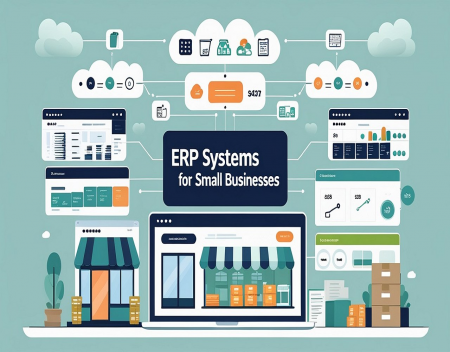
ERP Systems for Small Bus
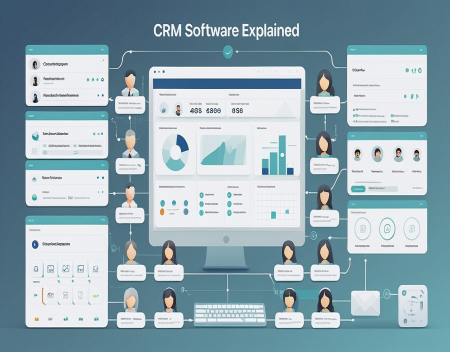
CRM Software Explained
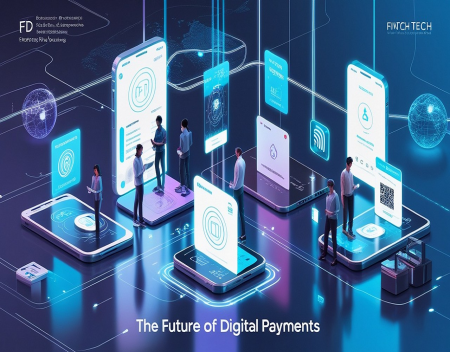
The Future of Digital Pay