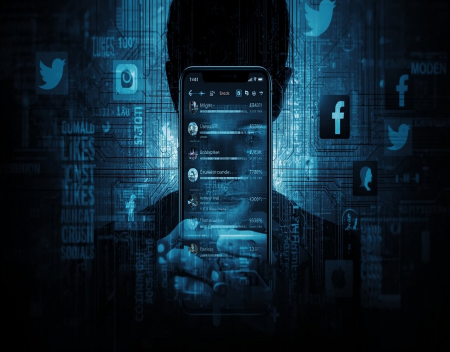
Social media has become one of the most influential technologies of the modern era. Billions of people use platforms such as Facebook, Instagram, TikTok, X, YouTube, and others every day to communicate, share content, consume news, and entertain themselves. While these platforms provide many benefits, including instant communication and access to information, they have also raised concerns about how they are designed to keep users engaged for as long as possible.
Many experts believe that social media platforms employ psychological techniques that encourage repeated use and, in some cases, addictive behavior. While the word "addiction" is often used casually, there is growing evidence that certain design elements can trigger patterns of compulsive usage that resemble other forms of behavioral addiction.
The business model behind most social media platforms helps explain why engagement is so important. The majority of these services generate revenue through advertising. The longer users stay on the platform, the more advertisements they see and the more data the platform can collect about their interests and behaviors. This creates a strong financial incentive to maximize user attention.
One of the most powerful tools used by social media platforms is the concept of variable rewards. This psychological principle has been studied for decades and is often associated with slot machines and gambling systems. The idea is simple: rewards delivered unpredictably tend to keep people engaged longer than rewards delivered on a fixed schedule.
When users refresh a social media feed, they never know exactly what they will see. It could be a funny video, an interesting news story, a message from a friend, or a post that receives significant emotional attention. Because the reward is unpredictable, people often continue scrolling in anticipation of finding something valuable or entertaining.
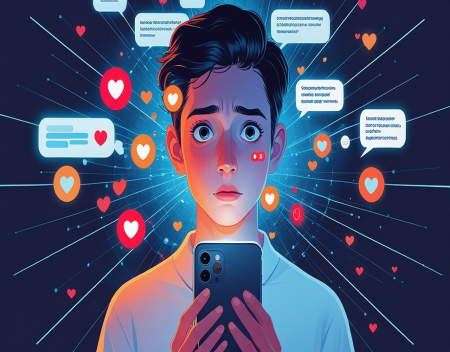
Notifications are another important engagement tool. Likes, comments, shares, follows, and direct messages create small bursts of social feedback. Each notification signals potential social approval or interaction, which can trigger feelings of satisfaction and curiosity. As a result, many users feel compelled to check their devices repeatedly throughout the day.
The endless scrolling feature found on many platforms further reinforces engagement. Unlike traditional media, which often has a clear stopping point, infinite feeds provide a seemingly endless stream of content. Users do not reach the end of a page or a natural conclusion. Instead, new content continuously appears as they scroll.
This design removes many of the cues that would normally encourage people to stop. A person intending to spend five minutes browsing may suddenly discover that thirty minutes or an hour has passed without realizing it.
Algorithms also play a major role. Modern social media platforms use sophisticated recommendation systems to analyze user behavior and determine which content is most likely to keep individuals engaged. Every click, view, pause, like, comment, and share provides information that helps the platform refine future recommendations.
Over time, these systems become increasingly effective at identifying content that captures attention. The result is a highly personalized experience designed to maximize engagement. While this personalization can improve relevance, it can also make platforms more difficult to put down.
Social validation is another psychological factor. Humans are naturally social creatures who seek acceptance, recognition, and belonging. Social media platforms provide immediate feedback through likes, comments, reactions, and follower counts. For some users, these metrics can become closely tied to feelings of self-worth and validation.
The pursuit of engagement can sometimes encourage users to post more frequently, check responses repeatedly, or compare themselves to others. This comparison effect has become a subject of concern among psychologists, particularly regarding younger users who may be more vulnerable to social pressures.
Fear of missing out, often referred to as FOMO, further contributes to platform engagement. Social media creates a constant stream of updates, trends, conversations, and events. Many users worry that if they disconnect, they may miss important information or social interactions. This fear can encourage frequent checking and continuous connectivity.
Short-form video content has amplified many of these effects. Platforms that focus on brief, highly engaging videos deliver rapid bursts of entertainment with minimal effort from the user. The constant variety and quick pacing can make it difficult to disengage, as each swipe presents the possibility of discovering another interesting piece of content.
It is important to recognize that not all engagement techniques are inherently harmful. Social media platforms are designed to provide enjoyable experiences, connect people, and deliver relevant content. Many users benefit from online communities, educational resources, professional networking opportunities, and social connections.
However, concerns arise when engagement optimization begins to conflict with user well-being. Excessive screen time, reduced attention spans, sleep disruption, anxiety, and compulsive usage patterns have all been linked to heavy social media use in various studies.
In response, some technology companies have introduced tools that help users monitor and manage their screen time. Features such as usage dashboards, notification controls, focus modes, and activity reminders are intended to promote healthier digital habits. Whether these tools are sufficient remains a subject of ongoing debate.
The future of social media will likely involve continued discussions about ethics, user well-being, and responsible design. As platforms become increasingly sophisticated, understanding the psychological mechanisms behind engagement becomes more important for users, developers, and policymakers alike.
Ultimately, social media platforms compete for one of the most valuable resources in the modern economy: human attention. By understanding the design strategies used to capture and maintain that attention, users can make more informed decisions about how they interact with these powerful digital environments and maintain greater control over their online lives.
Great experience with Computer Geek. They helped with my website needs and were professional, respon . . . [MORE].

Great, quick service when my laptop went into meltdown and also needed Windows 11 installed. Also ca . . . [MORE].
It was a great experience to working with you. thank you so much. . . . [MORE].
Thank you so much for great service and over all experience is good . highly recommended for all peo . . . [MORE].
We engaged The Computer Geeks in mid-2023 as they have a reputation for API integration within the T . . . [MORE].
The Hidden Cost of Free A
The Psychology of Notific
Why Subscription Services