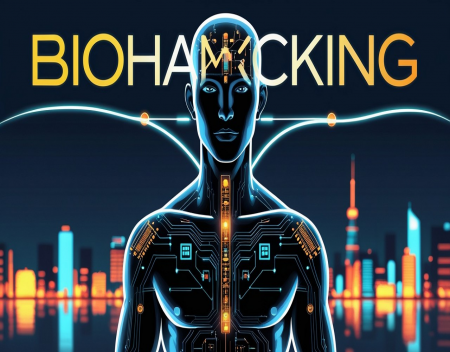
In recent years, the concept of biohacking has moved from fringe experimentation to mainstream conversation. Once associated with underground communities of self experimenters, biohacking now encompasses a wide spectrum of practices aimed at optimizing the human body and mind. From wearable devices that track sleep and performance to genetic testing kits and experimental implants, individuals are increasingly treating their bodies as systems that can be measured, modified, and improved. Alongside this shift, a parallel trend has emerged: the marketization of the human body, where biological functions, performance metrics, and even genetic information are turned into products and services.
At its core, biohacking is driven by the desire for control. People seek to understand how their bodies function and to make targeted changes that enhance health, productivity, or longevity. Some approaches are relatively simple, such as adjusting diet, exercise routines, or sleep patterns based on data collected from wearable devices. Others are more experimental, involving nootropics, hormone optimization, or implanted sensors that provide continuous feedback. In each case, the body is viewed less as a fixed biological entity and more as a system that can be tuned and upgraded.
The rise of consumer technology has played a significant role in making biohacking accessible. Fitness trackers monitor steps, heart rate, and sleep cycles. Smartwatches provide real time health data. Mobile apps analyze nutrition, stress levels, and cognitive performance. These tools generate detailed datasets that allow individuals to observe patterns and make adjustments. What was once the domain of medical professionals is increasingly becoming part of everyday life.
However, the collection and analysis of biological data have also created new economic opportunities. Companies now offer subscription services that provide personalized health insights based on user data. Genetic testing firms analyze DNA to offer recommendations related to diet, fitness, or potential health risks. Wellness platforms sell customized supplements and training programs tailored to individual profiles. In this environment, the body itself becomes a source of data that can be monetized.
This shift raises important questions about ownership. When individuals use biohacking technologies, they generate highly sensitive biological information. This data may include genetic markers, health conditions, and behavioral patterns. In many cases, the companies providing these services retain access to the data, using it to refine algorithms, develop new products, or even share it with third parties. The line between personal health management and commercial data extraction can become blurred.
There is also the issue of inequality. Advanced biohacking tools and personalized health services often come at a cost. Those who can afford these technologies gain access to detailed insights and optimization strategies, potentially improving their physical and cognitive performance. Meanwhile, individuals without access to such resources may rely on more traditional approaches to health. This dynamic could contribute to a widening gap in well being, where optimization becomes a privilege rather than a universal opportunity.
The marketization of the body also influences how people perceive themselves. When health and performance are constantly measured, individuals may begin to view their bodies through the lens of metrics and optimization targets. Sleep becomes a score, exercise becomes data points, and even mood can be quantified. While this information can be useful, it may also lead to a form of self evaluation that prioritizes efficiency over experience. The body becomes something to manage rather than simply inhabit.
Ethical concerns extend to more advanced forms of biohacking as well. Experimental procedures, such as implanted devices or unregulated supplements, carry potential risks. Without proper oversight, individuals may pursue optimization strategies that have unintended consequences. The commercialization of these practices can further complicate matters, as companies may promote products or interventions without fully understanding their long term effects.
Despite these challenges, biohacking also holds significant promise. Personalized health insights can empower individuals to make informed decisions about their well being. Early detection of potential health issues can lead to preventive care and improved outcomes. Innovations in biotechnology may one day allow for more precise treatments tailored to individual biology.
The key question is how to balance innovation with responsibility. As the human body becomes increasingly integrated into digital and economic systems, clear guidelines around data ownership, privacy, and ethical use will be essential. Individuals should have greater control over their biological information, and transparency should be a priority in how that data is collected and used.
Ultimately, biohacking reflects a broader transformation in how humans relate to their own biology. The body is no longer seen solely as a natural organism, but as a platform for enhancement and optimization. As this perspective continues to evolve, society must consider not only what is possible, but what is desirable. The pursuit of improvement is a powerful motivator, but it must be balanced with an understanding of the human body as more than just a system to be engineered.
Great experience with Computer Geek. They helped with my website needs and were professional, respon . . . [MORE].

Great, quick service when my laptop went into meltdown and also needed Windows 11 installed. Also ca . . . [MORE].
It was a great experience to working with you. thank you so much. . . . [MORE].
Thank you so much for great service and over all experience is good . highly recommended for all peo . . . [MORE].
We engaged The Computer Geeks in mid-2023 as they have a reputation for API integration within the T . . . [MORE].
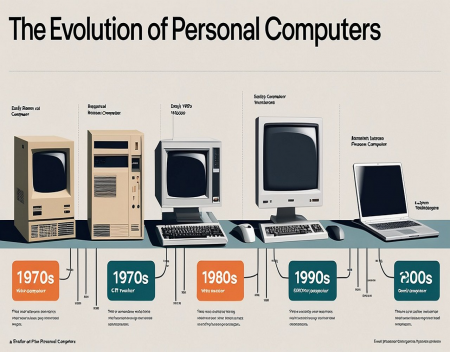
The Evolution of Personal
The Hidden Cost of Free A
The Psychology of Notific