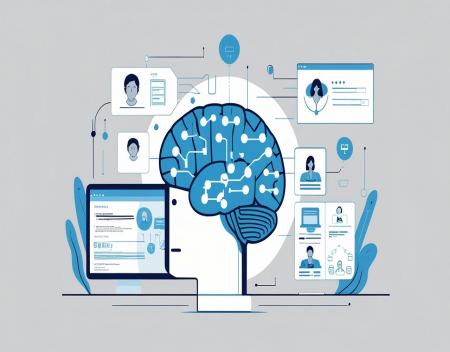
Software is often thought of as a technical product, built from code and powered by hardware. But at its core, software is also a human experience. Every interface, button, and interaction is designed with people in mind. This is where psychology plays a critical role. The way users perceive, understand, and interact with software is deeply influenced by cognitive and behavioral principles. Understanding these principles is essential for creating effective and engaging User Experience Design.
One of the most important psychological concepts in software design is cognitive load. This refers to the amount of mental effort required to use a system. When an interface is cluttered, confusing, or inconsistent, it increases cognitive load, making it harder for users to complete tasks. Good design aims to reduce this burden by simplifying layouts, using clear language, and presenting information in manageable chunks. The goal is to make interactions feel intuitive, allowing users to focus on their objectives rather than figuring out how the software works.
Another key principle is the concept of mental models. Users approach software with expectations based on their past experiences. For example, they expect certain icons to represent specific actions, such as a magnifying glass for search or a gear for settings. When software aligns with these expectations, it feels natural and easy to use. When it does not, users may become frustrated or confused. Designers must anticipate these mental models and create interfaces that match or gently guide user expectations.
Feedback is also a crucial element of user experience. When users perform an action, they need to know that something has happened. This can be as simple as a button changing color when clicked or as complex as a progress bar indicating that a task is underway. Immediate and clear feedback reassures users and helps them understand the results of their actions. Without it, users may feel uncertain or assume that the system is not working.
The principle of consistency plays a major role as well. Consistent design reduces the need for users to learn new patterns for each interaction. When similar elements behave in similar ways, users can apply what they already know, making the experience more efficient. Consistency extends beyond individual applications to entire ecosystems, where users expect similar behaviors across different tools and platforms.
Emotion is another powerful factor in software design. The way a product looks and feels can influence how users perceive it. A visually appealing interface can create a positive impression, while a poorly designed one can lead to frustration. Colors, typography, and animations all contribute to the emotional tone of an application. Designers often use these elements to create a sense of trust, excitement, or calm, depending on the intended experience.
The concept of habit formation is also relevant. Many successful applications are designed to encourage repeated use by creating routines. Notifications, reminders, and personalized content can draw users back, reinforcing engagement over time. While this can enhance usability and convenience, it also raises ethical questions about how far design should go in influencing behavior.
Advances in Artificial Intelligence are adding new dimensions to user experience. AI can analyze user behavior and adapt interfaces in real time, offering personalized recommendations and automating tasks. This can make software more efficient and responsive, but it also introduces complexity. Designers must ensure that these systems remain transparent and understandable, so users feel in control rather than overwhelmed.
Accessibility is another critical aspect of psychologically informed design. Software must accommodate a wide range of users, including those with different abilities and preferences. This involves considering factors such as readability, navigation, and interaction methods. Inclusive design not only broadens the user base but also improves the experience for everyone.
Ultimately, the psychology behind software design is about understanding people. It requires empathy, observation, and a willingness to adapt. Designers must consider how users think, what they expect, and how they feel during interactions. This human-centered approach transforms software from a purely functional tool into an experience that is intuitive, engaging, and meaningful.
In the end, successful software is not just about what it can do, but how it makes users feel while doing it. By applying psychological principles, designers can create products that are not only efficient but also enjoyable to use. As technology continues to evolve, the role of psychology in shaping user experience will only become more important, guiding the development of systems that truly connect with the people who use them.
Great experience with Computer Geek. They helped with my website needs and were professional, respon . . . [MORE].

Great, quick service when my laptop went into meltdown and also needed Windows 11 installed. Also ca . . . [MORE].
It was a great experience to working with you. thank you so much. . . . [MORE].
Thank you so much for great service and over all experience is good . highly recommended for all peo . . . [MORE].
We engaged The Computer Geeks in mid-2023 as they have a reputation for API integration within the T . . . [MORE].
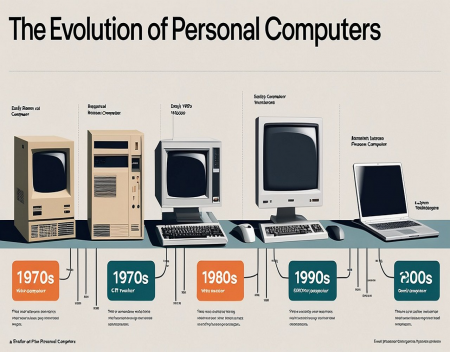
The Evolution of Personal
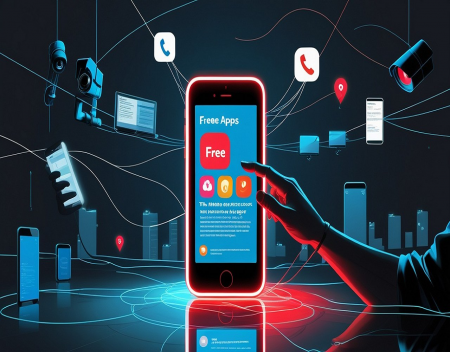
The Hidden Cost of Free A

The Psychology of Notific