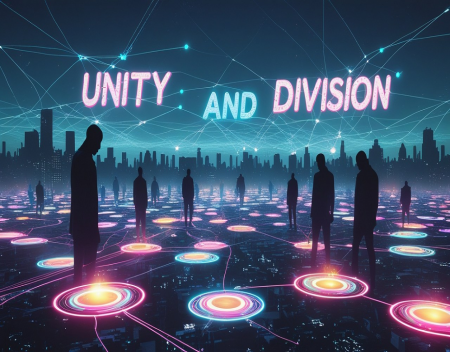
Democracy has long depended on the idea of a shared public sphere—a space where citizens encounter diverse perspectives, debate ideas, and collectively shape the direction of society. Historically, this sphere was influenced by institutions such as newspapers, television, and public forums that, despite their limitations, provided a relatively common set of narratives and facts. In the digital age, however, this shared space is increasingly giving way to something more fragmented: the rise of digital tribes.
Digital tribes are communities formed online around shared beliefs, identities, or interests. Platforms like Facebook, Reddit, and X enable people to connect with others who think like them, often regardless of geographic location. While this connectivity can be empowering, allowing individuals to find support and belonging, it also has unintended consequences for democratic systems.
One of the most significant effects is the creation of echo chambers. In these environments, individuals are primarily exposed to information and opinions that reinforce their existing views. Algorithms play a major role in this process by prioritizing content that aligns with user preferences and past behavior. Over time, this reduces exposure to opposing perspectives and can create a distorted sense of consensus. What feels like a widely shared belief within a digital tribe may actually be a localized phenomenon, amplified by the structure of the platform.
This fragmentation of information has direct implications for democratic discourse. When citizens no longer share a common understanding of basic facts, meaningful debate becomes more difficult. Discussions shift from disagreements over policy to disagreements over reality itself. In such an environment, compromise becomes harder to achieve, as different groups operate from fundamentally different premises. The result is increased polarization, where political identities become more rigid and adversarial.
Digital tribes also influence how individuals perceive trust and authority. Traditional sources of information, such as established media outlets or academic institutions, may be viewed with skepticism, especially if they conflict with the dominant narratives within a community. Instead, trust is often placed in peer networks, influencers, or alternative sources that align more closely with the group’s identity. While this can democratize information, it can also make communities more vulnerable to misinformation, as credibility is determined by alignment rather than accuracy.
Another important factor is the role of identity. Digital tribes are not just about opinions; they are often tied to personal and social identity. Being part of a group can provide a sense of belonging and purpose, but it can also intensify divisions. When political beliefs become intertwined with identity, disagreements can feel personal rather than intellectual. This can lead to more extreme positions, as individuals seek to demonstrate loyalty to their group and differentiate themselves from others.
The speed and scale of digital communication further amplify these dynamics. Content can spread rapidly within and across communities, often without thorough verification. Emotional or provocative material tends to travel faster, reinforcing strong reactions and deepening divides. In this environment, nuanced or complex discussions may struggle to gain traction, as they are less likely to generate immediate engagement.
Despite these challenges, digital tribes are not inherently negative. They can provide valuable spaces for marginalized voices, foster community building, and enable grassroots movements. Many social and political initiatives have gained momentum through online communities, demonstrating the potential for digital platforms to support democratic participation. The issue lies in the balance between connection and fragmentation.
Addressing the fragmentation of democracy requires a multifaceted approach. Platforms can play a role by designing systems that encourage exposure to diverse perspectives and reduce the amplification of extreme content. Education is also critical, particularly in developing media literacy and critical thinking skills that help individuals navigate complex information environments. Citizens themselves must be willing to engage with differing viewpoints and resist the pull of purely homogeneous communities.
There is also a need to rethink what a shared public sphere looks like in the digital age. It may no longer be possible—or even desirable—to return to a single, unified narrative. Instead, the challenge is to create overlapping spaces where different groups can interact constructively, even if they maintain distinct identities. This requires not only technological solutions but also cultural shifts toward openness and dialogue.
Ultimately, the rise of digital tribes reflects both the strengths and weaknesses of modern connectivity. It highlights the human desire for belonging and shared identity, while also exposing the risks of division and isolation. For democracy to function effectively, it must find ways to harness the benefits of these communities without allowing them to fracture the broader social fabric.
In the end, democracy depends not just on the ability to speak, but on the ability to listen. In a world of digital tribes, preserving that balance may be one of the most important challenges of our time.
Great experience with Computer Geek. They helped with my website needs and were professional, respon . . . [MORE].

Great, quick service when my laptop went into meltdown and also needed Windows 11 installed. Also ca . . . [MORE].
It was a great experience to working with you. thank you so much. . . . [MORE].
Thank you so much for great service and over all experience is good . highly recommended for all peo . . . [MORE].
We engaged The Computer Geeks in mid-2023 as they have a reputation for API integration within the T . . . [MORE].
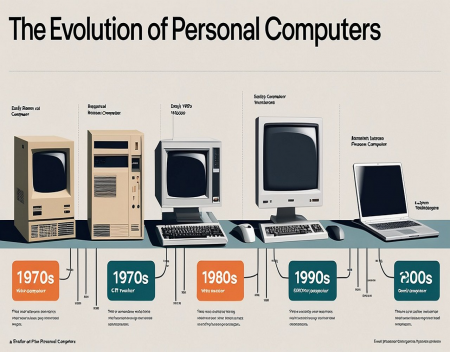
The Evolution of Personal

The Hidden Cost of Free A
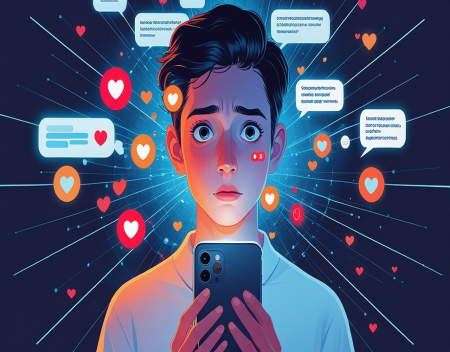
The Psychology of Notific