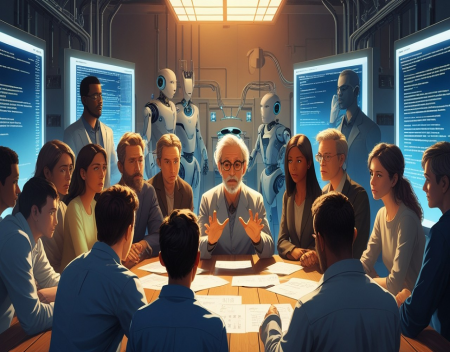
As machines become more intelligent and integrated into daily life, a profound question emerges: who decides what is right and wrong for them. From recommendation systems on YouTube to autonomous driving features in vehicles like the Tesla Model 3, artificial intelligence is no longer just executing commands—it is making decisions that can have real-world consequences. These decisions often carry ethical weight, even when they appear purely technical. The challenge is that morality, unlike mathematics, is not universal or easily defined.
At the core of every intelligent system is a set of rules, data, and objectives. Engineers and developers design algorithms to optimize for certain outcomes—efficiency, safety, engagement, or profitability. However, these objectives can conflict. For example, an autonomous vehicle might face a situation where it must choose between minimizing harm to passengers or pedestrians. While such scenarios are rare, they highlight a critical issue: machines must be guided by values, and those values must come from somewhere.
Currently, morality in machines is shaped indirectly through design choices. Developers select training data, define success metrics, and establish constraints. Each of these decisions embeds a form of ethical reasoning into the system. If a hiring algorithm is trained on historical data that reflects past biases, it may replicate those biases, even if unintentionally. If a content platform prioritizes engagement above all else, it may amplify sensational or divisive material because it keeps users active. In both cases, the “morality” of the machine is not explicitly programmed, but it emerges from the structure and goals set by humans.
One of the main challenges is that morality varies across cultures, contexts, and individuals. What is considered fair or acceptable in one society may not be in another. This makes it difficult to create universal ethical guidelines for machines that operate globally. A moderation system on a platform like TikTok must navigate different cultural norms, legal requirements, and social expectations simultaneously. The result is often a compromise that satisfies no one completely.
Another issue is transparency. Many modern AI systems operate as “black boxes,” meaning their decision-making processes are not easily understood, even by their creators. When a system makes a controversial or harmful decision, it can be difficult to explain why it happened. This lack of clarity complicates accountability. If a machine causes harm, who is responsible—the developer, the company, the user, or the algorithm itself. Without clear answers, trust in these systems can erode.
There is also the question of power. The entities that design and deploy AI systems—typically large technology companies and governments—have significant influence over how these systems behave. This concentration of control raises concerns about whose values are being prioritized. Are these systems designed to serve the public good, or to maximize profit and efficiency. When a small group of decision-makers effectively programs the moral framework of widely used technologies, the implications extend far beyond individual applications.
Some researchers and organizations are working to address these challenges by developing ethical frameworks for AI. Concepts such as fairness, accountability, transparency, and safety are often emphasized. There are also efforts to involve diverse perspectives in the design process, ensuring that different cultural and social viewpoints are considered. However, translating these principles into practical systems remains complex. Ethics cannot simply be coded as a set of fixed rules; it requires judgment, context, and adaptability.
Interestingly, the rise of intelligent machines also forces humans to confront their own moral assumptions. When we attempt to define ethical behavior for a machine, we are compelled to articulate values that are often taken for granted. This process can reveal disagreements and inconsistencies in how we think about right and wrong. In this sense, machines act as mirrors, reflecting the complexity of human morality back at us.
Looking ahead, the question may not be whether machines can have morality, but how closely their decision-making aligns with human values. Some envision systems that can learn ethical behavior dynamically, adapting to new contexts and feedback. Others argue for strict boundaries, limiting the scope of machine decision-making in sensitive areas. Regardless of the approach, it is clear that the issue cannot be left solely to engineers or companies. It requires input from ethicists, policymakers, communities, and individuals.
Ultimately, machines do not possess morality in the human sense. They do not feel empathy, experience consequences, or understand meaning. They follow patterns, optimize objectives, and execute decisions based on the frameworks given to them. The morality we see in machines is, in reality, a reflection of human choices—both intentional and unintentional.
Who programs morality into machines. The answer is not a single person or group, but a complex network of influences: developers, organizations, data, culture, and society itself. As technology continues to advance, the responsibility for shaping these moral frameworks becomes increasingly important. Because in the end, the values embedded in our machines will shape the world we live in, whether we fully understand them or not.
Great experience with Computer Geek. They helped with my website needs and were professional, respon . . . [MORE].

Great, quick service when my laptop went into meltdown and also needed Windows 11 installed. Also ca . . . [MORE].
It was a great experience to working with you. thank you so much. . . . [MORE].
Thank you so much for great service and over all experience is good . highly recommended for all peo . . . [MORE].
We engaged The Computer Geeks in mid-2023 as they have a reputation for API integration within the T . . . [MORE].
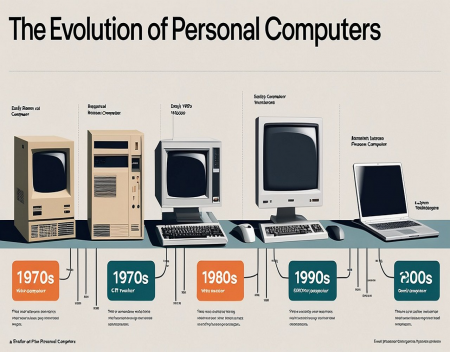
The Evolution of Personal

The Hidden Cost of Free A
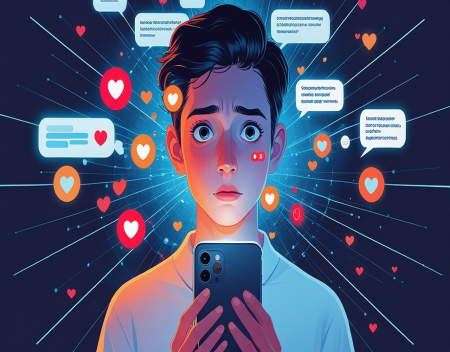
The Psychology of Notific