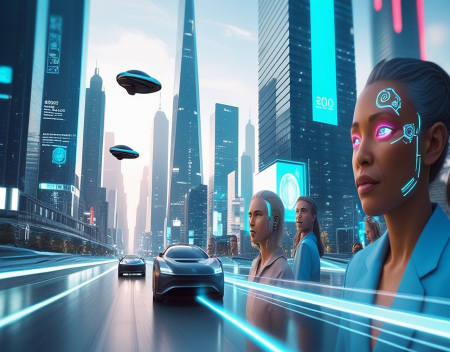
Predicting the future of technology has never been easy. Looking back just thirty years, few people could have accurately predicted smartphones, cloud computing, artificial intelligence assistants, streaming media, or the billions of connected devices that now shape everyday life. Technology often evolves in unexpected ways, driven by scientific breakthroughs, market demand, and human creativity. While no one knows exactly what the world will look like in 2050, current trends provide clues about where technology may be headed over the next quarter century.
One of the most significant changes is likely to involve artificial intelligence. Today's AI systems already assist with writing, programming, image creation, customer service, and data analysis. By 2050, AI could become deeply integrated into nearly every aspect of daily life. Rather than existing as separate applications, intelligent assistants may operate continuously in the background, helping people manage schedules, conduct research, monitor health, organize finances, and automate routine tasks.
These future AI systems may understand context far better than current technology. Instead of responding only to direct requests, they could anticipate needs based on past behavior, environmental conditions, and personal preferences. For example, an AI assistant might automatically coordinate travel plans, schedule appointments, or prepare information before an important meeting without being explicitly instructed to do so.
Computers themselves may look very different by 2050. While laptops and desktop computers will likely continue serving specialized purposes, many everyday computing tasks could move to lightweight wearable devices. Smart glasses, advanced augmented reality headsets, or other wearable displays may replace smartphones for many users by presenting digital information directly within their field of vision.
Rather than looking down at a screen, users may interact with digital information seamlessly while walking, working, or traveling. Navigation directions, translations, notifications, and communication tools could appear naturally within the surrounding environment.
Human-computer interaction is also expected to become more intuitive. Voice commands will likely continue improving, allowing natural conversations with digital assistants. Gesture recognition, eye tracking, and facial recognition may replace many traditional input devices. Instead of learning how computers work, computers will increasingly learn how humans communicate.
Brain-computer interface technology may also advance significantly. Although widespread consumer adoption remains uncertain, medical applications are expected to become far more capable. Individuals with paralysis or neurological disorders could gain improved methods of communication and mobility through increasingly sophisticated neural interfaces.
Whether brain implants become common among healthy individuals remains highly speculative. Significant technical, ethical, and safety challenges would need to be addressed before such technology became mainstream.
Transportation may undergo dramatic changes as well. Autonomous driving technology is likely to continue improving, although widespread deployment will depend on regulatory approval, infrastructure development, and public acceptance. Vehicles may become increasingly connected, communicating with one another and surrounding infrastructure to improve safety and traffic flow.
Electric vehicles are expected to become even more common as battery technology advances. Faster charging times, longer driving ranges, and improved energy efficiency could make electric transportation the standard in many parts of the world.
Healthcare may experience one of the greatest technological transformations. Artificial intelligence could assist doctors by analyzing medical images, identifying diseases earlier, and helping develop personalized treatment plans. Wearable health monitors may continuously track vital signs and alert individuals or healthcare providers to potential medical problems before symptoms become noticeable.
Advances in biotechnology, gene editing, and personalized medicine may allow treatments to be tailored specifically to an individual's genetic profile. Medical research could also accelerate through AI-assisted drug discovery and advanced computer simulations.
Robotics will likely become more capable and affordable. Service robots may assist with household chores, elder care, warehouse operations, manufacturing, agriculture, and hazardous environments. Rather than replacing all human workers, robots will probably perform tasks that are repetitive, physically demanding, or dangerous while humans focus on oversight, creativity, and decision-making.
Communication technologies may become nearly invisible. High-speed wireless connectivity could be available almost everywhere, allowing seamless access to cloud computing resources regardless of location. Language barriers may diminish as real-time translation systems become increasingly accurate and natural.
Education could also change dramatically. AI tutors may provide personalized instruction adapted to each student's learning style, strengths, and weaknesses. Virtual and augmented reality may create immersive educational experiences that allow students to explore historical events, scientific concepts, or distant locations in ways that traditional classrooms cannot provide.
Energy technology is another area with significant potential. Advances in renewable energy, battery storage, and smart electrical grids could make energy production cleaner and more efficient. Homes and businesses may generate, store, and share electricity more intelligently using AI-managed energy systems.
Space technology may also become increasingly important by 2050. Reusable rockets, commercial spaceflight, lunar exploration, and expanded satellite networks are already transforming the aerospace industry. While permanent human settlements beyond Earth remain uncertain, space-based research, communications, and manufacturing could become much more common.
Despite these exciting possibilities, technology in 2050 will almost certainly face major challenges. Cybersecurity threats are likely to become more sophisticated as digital systems become increasingly interconnected. Protecting personal privacy, securing artificial intelligence systems, and preventing cybercrime will remain critical priorities.
Ethical questions surrounding AI, automation, genetic engineering, surveillance, and data ownership will also become increasingly important. Governments, businesses, and society will need to develop policies that encourage innovation while protecting individual rights and public safety.
Environmental sustainability will play a central role in technological development as well. Future technologies will likely emphasize energy efficiency, resource conservation, recycling, and reducing environmental impact.
It is also worth remembering that not every prediction will come true. Throughout history, many futuristic ideas failed to materialize, while entirely unexpected inventions transformed society. Few people in the 1990s predicted the enormous influence that smartphones or social media would eventually have on everyday life.
By 2050, technology will almost certainly be faster, smarter, and more integrated into daily living than it is today. Artificial intelligence, robotics, biotechnology, renewable energy, advanced computing, and immersive digital experiences are all poised to shape the future in significant ways. While the exact path remains impossible to predict, one thing seems certain: the pace of technological change is unlikely to slow down. The world of 2050 may feel as different from today as today's world would have seemed to someone living in the year 2000, continuing humanity's long history of innovation and discovery.
Great experience with Computer Geek. They helped with my website needs and were professional, respon . . . [MORE].

Great, quick service when my laptop went into meltdown and also needed Windows 11 installed. Also ca . . . [MORE].
It was a great experience to working with you. thank you so much. . . . [MORE].
Thank you so much for great service and over all experience is good . highly recommended for all peo . . . [MORE].
We engaged The Computer Geeks in mid-2023 as they have a reputation for API integration within the T . . . [MORE].
The Hidden Cost of Free A
The Psychology of Notific
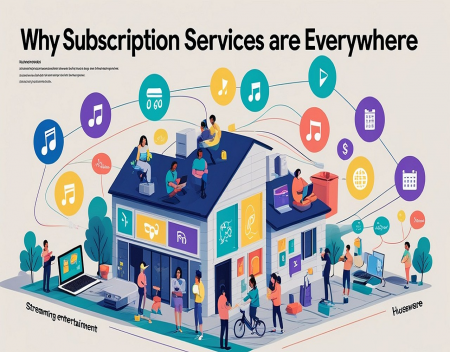
Why Subscription Services