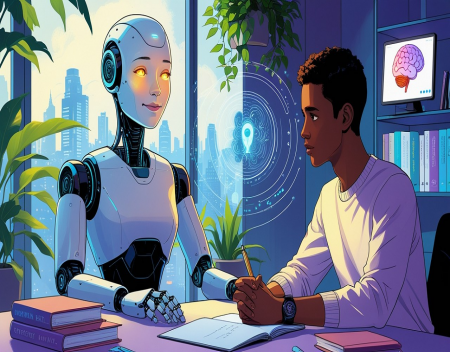
The growing presence of artificial intelligence in everyday life is beginning to transform one of the most deeply human domains: mental health care. What was once the exclusive territory of trained professionals is now being supplemented—and in some cases partially replaced—by AI-driven tools. Applications like Woebot and Replika offer users the ability to engage in conversations about their thoughts, emotions, and struggles at any time of day. These systems represent a new frontier in mental health support, one that is both promising and controversial.
At their core, AI therapists are designed to simulate aspects of human interaction. They use natural language processing to interpret user input and generate responses that are intended to be empathetic, supportive, and helpful. Many are built around established therapeutic techniques, such as cognitive behavioral strategies, which focus on identifying and reframing negative thought patterns. For users, the appeal is immediate and clear. AI tools are accessible, affordable, and available around the clock. There are no waitlists, no scheduling constraints, and often no cost barriers.
This accessibility addresses a significant gap in mental health care. In many parts of the world, including regions with developed healthcare systems, access to licensed therapists can be limited. Long wait times, high costs, and geographic barriers can prevent individuals from receiving timely support. AI systems offer a way to bridge this gap, providing immediate assistance to people who might otherwise go without help. For someone experiencing stress, anxiety, or loneliness at an odd hour, the ability to open an app and begin a conversation can be meaningful.
There is also a psychological dimension to the appeal of AI therapists. Some users feel more comfortable opening up to a machine than to another person. The absence of judgment, combined with a sense of anonymity, can make it easier to discuss sensitive topics. Users may feel less pressure to present themselves in a certain way, allowing for more honest expression. In this sense, AI can create a unique kind of therapeutic space—one that is private, consistent, and free from social expectations.
However, the automation of mental health care raises important concerns. One of the most significant is the question of depth. While AI systems can simulate empathy, they do not actually experience it. They do not understand emotions in the way humans do, nor can they fully grasp the complexity of individual experiences. This limitation means that their responses, while often helpful, may lack the nuance and adaptability of a trained human therapist. In more serious cases, such as severe depression or trauma, reliance on AI alone may be insufficient or even risky.
Another concern is accountability. When a human therapist provides guidance, they are bound by professional standards, ethical guidelines, and legal responsibilities. They are trained to recognize warning signs, manage crises, and refer patients to appropriate resources when necessary. AI systems, by contrast, operate within predefined parameters set by their developers. If a system fails to respond appropriately to a user in distress, it is not always clear who is responsible or how the issue should be addressed.
Privacy is also a critical issue. Conversations with AI therapists often involve highly sensitive personal information. This data may be stored, analyzed, or used to improve the system, raising questions about how it is protected and who has access to it. Users must trust that their information is handled securely, but this trust is not always guaranteed. As these systems become more widespread, the need for clear data protection standards becomes increasingly important.
There is also a broader cultural question about what it means to automate care. Therapy is not just about solving problems; it is about human connection, understanding, and the shared experience of being heard. By introducing AI into this space, there is a risk of reducing mental health support to a transactional interaction—input and response, problem and solution. While this can be efficient, it may also change how people perceive and value emotional support.
At the same time, it is important to recognize that AI therapists are not necessarily intended to replace human professionals. In many cases, they are designed to complement existing services, providing support between sessions or for less severe concerns. They can act as tools for self-reflection, helping users track their thoughts, develop coping strategies, and build awareness of their mental state. When used appropriately, they can enhance, rather than diminish, the overall mental health ecosystem.
Looking ahead, the role of AI in mental health will likely continue to expand. Advances in technology may lead to more sophisticated systems capable of deeper interaction and better contextual understanding. At the same time, there will be ongoing debates about ethics, regulation, and the boundaries of automation in such a sensitive المجال.
Ultimately, AI therapists represent both an opportunity and a challenge. They have the potential to make mental health support more accessible and immediate, but they also raise questions about quality, responsibility, and the nature of care itself. The future of mental health will likely involve a balance between human and machine, where technology supports but does not replace the essential human elements of empathy and connection.
In the end, the goal should not be to automate mental health entirely, but to use technology in a way that expands access while preserving the depth and humanity that effective care requires.
Great experience with Computer Geek. They helped with my website needs and were professional, respon . . . [MORE].

Great, quick service when my laptop went into meltdown and also needed Windows 11 installed. Also ca . . . [MORE].
It was a great experience to working with you. thank you so much. . . . [MORE].
Thank you so much for great service and over all experience is good . highly recommended for all peo . . . [MORE].
We engaged The Computer Geeks in mid-2023 as they have a reputation for API integration within the T . . . [MORE].
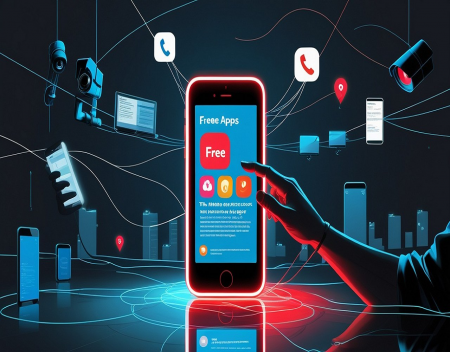
The Hidden Cost of Free A
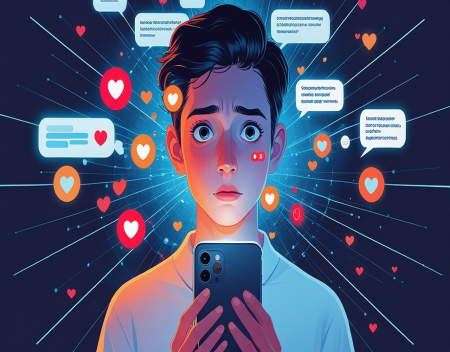
The Psychology of Notific
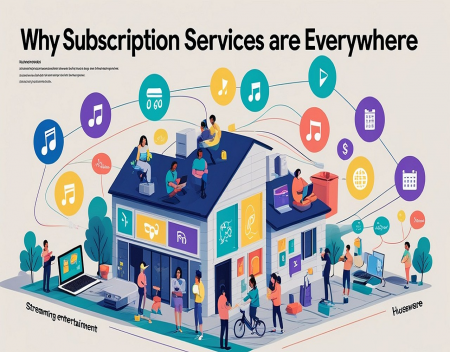
Why Subscription Services