
The gig economy is often presented as a revolution in freedom. Platforms promise flexible schedules, independence from traditional bosses, and the ability to work on one’s own terms. For many people, especially those navigating uncertain job markets or seeking supplemental income, this model appears empowering. Yet beneath the language of choice and autonomy lies a more complex reality. The gig economy raises a critical question about the future of work: is it a path to genuine freedom, or a system that locks workers into permanent precarity?
At its best, gig work offers real advantages. Individuals can choose when to log on, which tasks to accept, and how much they want to work. This flexibility can be valuable for caregivers, students, or those balancing multiple responsibilities. The low barriers to entry also allow people to earn income quickly without lengthy hiring processes. For some, gig work functions as a bridge, providing short term stability during periods of transition.
However, flexibility in the gig economy often comes at the cost of security. Most gig workers are classified as independent contractors, meaning they lack access to benefits such as health insurance, paid leave, retirement contributions, or unemployment protection. Income can fluctuate unpredictably, shaped by demand, platform algorithms, and external factors beyond the worker’s control. What appears as freedom can quickly become dependence on systems that offer little safety net.
Algorithmic control further complicates the promise of autonomy. While gig workers may not have traditional supervisors, they are often managed by software that assigns tasks, sets pay rates, and evaluates performance. Acceptance rates, customer ratings, and response times are tracked continuously, shaping access to future work. Decisions made by algorithms can feel opaque and unchallengeable, limiting meaningful choice. Workers may feel compelled to accept unfavorable conditions to maintain their standing on the platform.
The psychological impact of this arrangement is significant. Constant uncertainty about income and availability can create stress and fatigue. The need to remain competitive encourages longer hours and discourages rest, undermining the very flexibility the gig economy claims to offer. Without clear boundaries between work and personal time, many workers find themselves always on call, even if unpaid.
The gig economy also reshapes collective labor dynamics. Traditional employment structures often include mechanisms for representation, negotiation, and worker protections. In contrast, gig work is typically individualized, with workers isolated from one another and discouraged from collective action. This fragmentation makes it harder to advocate for better conditions or challenge unfair practices. The narrative of individual freedom can obscure systemic inequalities and power imbalances.
For society as a whole, the expansion of gig work raises broader questions about the future of employment. As more industries adopt platform based models, stable full time jobs may become less common. This shift risks normalizing insecurity as a permanent feature of working life. When large segments of the workforce lack benefits and protections, the burden often shifts to public systems or individuals themselves, deepening inequality.
Yet it would be simplistic to dismiss the gig economy entirely. Its appeal reflects real shortcomings in traditional labor markets, including rigidity, exclusion, and lack of opportunity. The challenge lies in addressing precarity without eliminating flexibility. Policies that extend protections to gig workers, such as portable benefits or clearer labor classifications, could help balance autonomy with security.
Ultimately, the gig economy trap is not about freedom versus control in absolute terms, but about who bears risk and who reaps reward. True freedom requires not only choice, but stability and dignity. Without these, flexibility becomes a fragile promise, and the gig economy risks entrenching a cycle of permanent uncertainty rather than offering a path to empowerment.
Great experience with Computer Geek. They helped with my website needs and were professional, respon . . . [MORE].

Great, quick service when my laptop went into meltdown and also needed Windows 11 installed. Also ca . . . [MORE].
It was a great experience to working with you. thank you so much. . . . [MORE].
Thank you so much for great service and over all experience is good . highly recommended for all peo . . . [MORE].
We engaged The Computer Geeks in mid-2023 as they have a reputation for API integration within the T . . . [MORE].
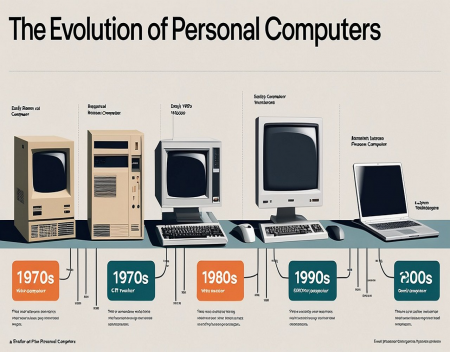
The Evolution of Personal
The Hidden Cost of Free A

The Psychology of Notific