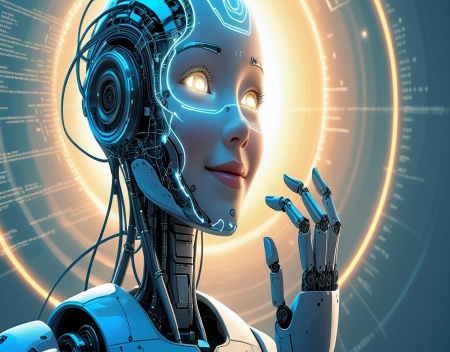
Empathy has long been considered one of the most human traits. It is the ability to understand and share the feelings of another, rooted in lived experience, vulnerability, and emotional intuition. As artificial intelligence becomes increasingly embedded in daily life, a provocative question emerges. Can empathy be automated, and if so, does programmed compassion truly count as compassion at all.
AI systems already simulate empathy in subtle and overt ways. Customer service chatbots express concern. Mental health applications offer supportive language. Social robots mirror facial expressions and adjust tone to appear caring. These systems rely on emotion recognition, natural language processing, and behavioral modeling to respond in ways that humans interpret as compassionate. On the surface, the results can feel convincing. The deeper question is whether imitation is enough.
True empathy involves more than recognizing emotion. It includes moral awareness, context, and the capacity to be affected by another’s suffering. Machines do not feel pain, fear, or joy. They do not experience loss or hope. What they offer is a statistical approximation of empathetic behavior. They identify patterns that correlate with comfort and respond accordingly. This distinction matters, because empathy without experience may lack authenticity, even if it achieves functional outcomes.
Supporters of automated empathy argue that intention is irrelevant if the result is beneficial. If a grieving person feels heard by an AI system, does it matter that the compassion is simulated. In healthcare, elder care, and mental health support, automated empathy can fill gaps where human resources are scarce. A machine that listens patiently without judgment may be preferable to no support at all. From this perspective, programmed compassion is a tool, not a replacement for human connection.
Critics warn that normalizing synthetic empathy risks hollowing out genuine human relationships. When people turn to machines for emotional validation, social bonds may weaken. Empathy is not only about receiving comfort. It is also about giving it, learning to listen, and developing emotional responsibility. If those skills are outsourced to machines, society may become less emotionally resilient over time.
There is also the risk of manipulation. An AI that appears empathetic can build trust quickly. That trust can then be leveraged to influence decisions, sell products, or shape beliefs. Because the system does not truly care, its expressions of concern are instrumental rather than moral. This creates an ethical asymmetry. Users may disclose vulnerabilities believing they are understood, while the system processes those disclosures as data points.
The automation of empathy also raises questions about consent and transparency. Should people always be told when compassion is simulated. Many users already interact with AI without fully realizing the extent of its emotional modeling. Ethical design would require clear disclosure and limitations on how emotional data is used. Without safeguards, empathy becomes another interface for extraction rather than care.
Another challenge lies in cultural and contextual nuance. Human empathy is shaped by shared history, social norms, and personal values. AI systems trained on generalized datasets may misinterpret emotions or respond in ways that feel inappropriate or even harmful. A comforting phrase in one context may be dismissive in another. Automating empathy risks flattening emotional complexity into standardized responses.
Despite these concerns, it may be unrealistic to reject automated empathy entirely. As technology advances, emotionally responsive systems will become more common, not less. The ethical task is to define boundaries. Automated compassion should support, not replace, human relationships. It should be used where it genuinely alleviates suffering, not where it erodes accountability or authenticity.
Compassion can be mimicked, but empathy as a moral experience remains uniquely human. The danger is not that machines will become too caring, but that humans will accept the illusion of care as sufficient. The automation of empathy challenges society to decide what it truly values. Efficiency and scale, or connection and meaning. The answer will shape not only technology, but the emotional fabric of the future.
Great experience with Computer Geek. They helped with my website needs and were professional, respon . . . [MORE].

Great, quick service when my laptop went into meltdown and also needed Windows 11 installed. Also ca . . . [MORE].
It was a great experience to working with you. thank you so much. . . . [MORE].
Thank you so much for great service and over all experience is good . highly recommended for all peo . . . [MORE].
We engaged The Computer Geeks in mid-2023 as they have a reputation for API integration within the T . . . [MORE].
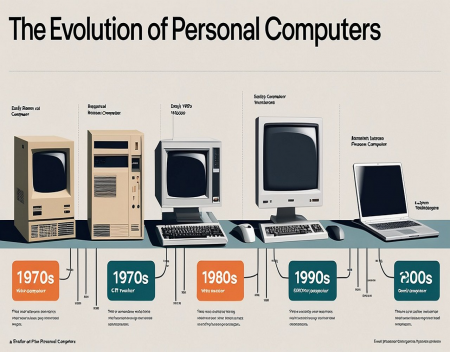
The Evolution of Personal
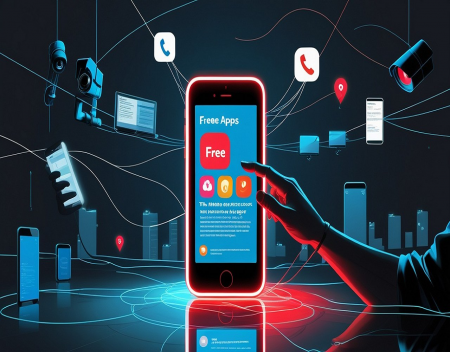
The Hidden Cost of Free A
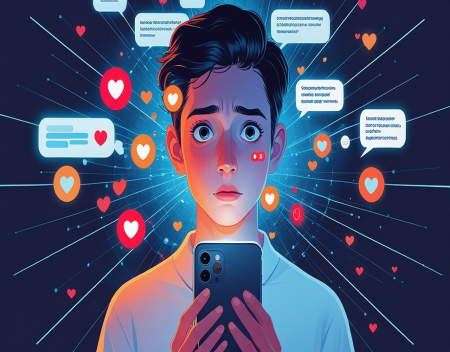
The Psychology of Notific