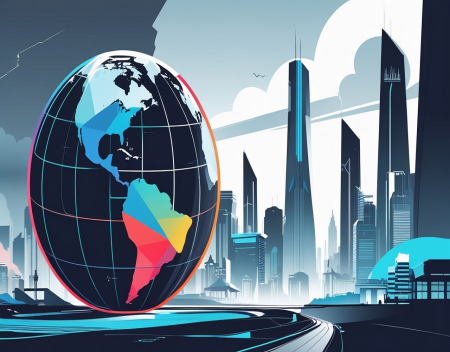
The rise of platform nations marks a profound shift in the balance of power between states and corporations. Once confined to markets and consumer relationships, large technology platforms now operate at a scale and scope that increasingly resembles governance. They set rules, enforce standards, collect taxes in the form of fees, manage identity systems, and even mediate speech and dispute resolution. As these platforms span borders more effectively than most governments, the question is no longer whether corporations influence society, but whether some have begun to function as nations in their own right.
Platform companies derive their power from network effects. As more users join, the value of the platform increases, drawing in still more participants. Over time, these platforms become essential infrastructure for communication, commerce, and social life. For many people, access to digital platforms determines economic opportunity, social visibility, and even political participation. When a platform suspends an account or changes its policies, the consequences can resemble the loss of civil rights rather than a mere service interruption.
Unlike traditional corporations, platform nations create quasi legal environments. Terms of service operate as constitutions, defining acceptable behavior and outlining consequences. Enforcement is carried out through moderation systems, automated tools, and appeals processes that often lack transparency. Users rarely have meaningful input into rule making, yet they are subject to decisions that shape their livelihoods and identities. This asymmetry of power raises concerns about accountability, especially when platform policies conflict with local laws or cultural norms.
Economic influence further blurs the line between corporate and governmental authority. Platform companies can shape labor markets through gig work, control payment systems, and influence trade by determining which sellers gain visibility. In some regions, platforms provide services that states struggle to deliver efficiently, such as digital payments or communication infrastructure. While this can fill gaps, it also creates dependency. When a private entity becomes indispensable, its priorities can outweigh public interest.
The global reach of platform nations complicates regulation. Governments operate within territorial boundaries, while platforms operate across them. Jurisdictional conflicts arise when national laws clash with corporate policies or when enforcement is technically difficult. Smaller states may find themselves negotiating with companies whose economic power rivals or exceeds their own. This dynamic can erode sovereignty, particularly in areas such as data governance, taxation, and information control.
There is also a cultural dimension to consider. Platforms shape norms, values, and discourse at scale. Algorithms determine what content is amplified or suppressed, influencing public opinion and collective attention. In this sense, platform nations wield soft power traditionally associated with states, but without the same democratic constraints. Decisions made in corporate boardrooms can have societal consequences far beyond shareholder interests.
Supporters argue that platforms are more agile and innovative than governments, capable of responding quickly to user needs. They point to efficiency gains and global connectivity as evidence of progress. Critics counter that efficiency without accountability risks abuse. When platforms prioritize growth and profit, social costs such as misinformation, exploitation, and exclusion may be treated as externalities rather than core responsibilities.
The emergence of platform nations forces a reevaluation of governance in the digital age. Traditional distinctions between public and private authority are increasingly inadequate. Addressing this challenge may require new regulatory frameworks, international cooperation, and mechanisms for user representation. Ultimately, the question is not whether corporations should disappear from public life, but how power should be balanced. If platforms continue to rival governments, societies must decide how to ensure that the rules shaping everyday life remain accountable to the people they affect.
Great experience with Computer Geek. They helped with my website needs and were professional, respon . . . [MORE].

Great, quick service when my laptop went into meltdown and also needed Windows 11 installed. Also ca . . . [MORE].
It was a great experience to working with you. thank you so much. . . . [MORE].
Thank you so much for great service and over all experience is good . highly recommended for all peo . . . [MORE].
We engaged The Computer Geeks in mid-2023 as they have a reputation for API integration within the T . . . [MORE].
The Hidden Cost of Free A

The Psychology of Notific
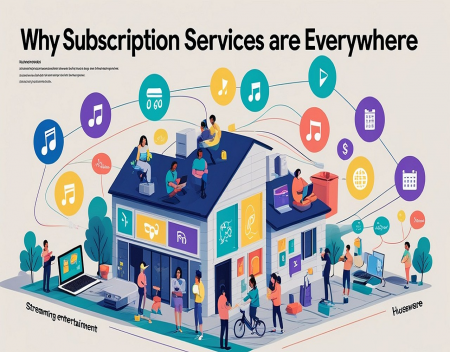
Why Subscription Services