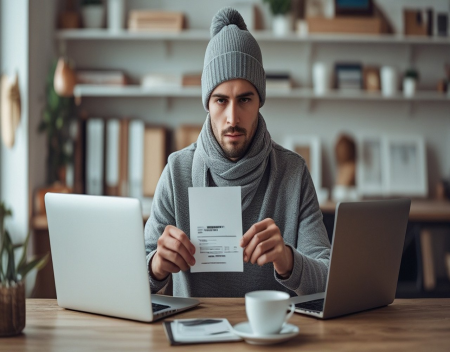
Identity theft is one of the fastest-growing forms of cybercrime in the world. Every year, millions of people become victims, often without realizing it until significant financial damage has already occurred. As more of our personal information is stored online and shared across websites, financial institutions, healthcare providers, and social media platforms, protecting our identities has become more important than ever. Fortunately, understanding how identity theft works and taking a few proactive steps can greatly reduce your risk.
At its core, identity theft occurs when someone steals your personal information and uses it without your permission. This information can include your name, address, date of birth, Social Insurance Number (SIN), driver's license number, passport information, credit card numbers, bank account details, email credentials, or even your medical records.
Once criminals obtain enough personal information, they can impersonate you to open bank accounts, apply for loans, make purchases, file fraudulent tax returns, access healthcare services, or commit other crimes using your identity. In many cases, victims do not discover the fraud until they notice unusual bank transactions, receive collection notices, or are denied credit because fraudulent accounts have damaged their credit history.
One of the most common ways identity theft begins is through data breaches. Businesses, retailers, financial institutions, and online services store enormous amounts of customer information. If one of these organizations experiences a cybersecurity breach, hackers may steal millions of customer records containing names, email addresses, passwords, and financial information.
Unfortunately, even if you practice good cybersecurity habits, you may still be affected if a company you do business with suffers a data breach. This is why using unique passwords for every online account is so important. If one password is exposed, attackers cannot automatically access your other accounts.
Phishing attacks are another leading cause of identity theft. Cybercriminals often send emails or text messages that appear to come from banks, government agencies, delivery companies, or well-known online services. These messages usually contain links to fake websites designed to steal usernames, passwords, credit card numbers, or other sensitive information.
Modern phishing attacks have become remarkably convincing. Criminals frequently copy official logos, branding, and website designs to make fake websites appear legitimate. Some even personalize messages using information gathered from social media or previous data breaches.
Public Wi-Fi networks can also create opportunities for identity thieves. While many public networks are safe, unsecured Wi-Fi at airports, hotels, coffee shops, or shopping malls may allow attackers to intercept information transmitted between your device and the internet. Avoid accessing online banking or entering sensitive information while connected to unsecured public Wi-Fi unless you are using a trusted Virtual Private Network (VPN).
Social media can unintentionally provide identity thieves with valuable information. Many people publicly share birthdays, family member names, hometowns, schools attended, vacation plans, and photographs of important documents. Criminals can use this information to answer security questions, guess passwords, or create convincing phishing attacks.
Oversharing online also makes it easier for scammers to impersonate trusted friends or relatives. Reviewing your privacy settings and limiting the amount of personal information visible to the public can help reduce these risks.
Mail theft remains another concern despite the growth of digital communication. Financial statements, tax documents, insurance paperwork, and pre-approved credit card offers often contain sensitive information. Criminals who steal mail may use this information to commit identity fraud.
Using secure mailboxes, collecting mail promptly, and shredding sensitive documents before disposal can help protect your personal information.
Weak passwords continue to contribute to identity theft. Many people still use simple passwords or reuse the same password across multiple websites. If attackers obtain one password through a data breach, they frequently attempt to use it on banking websites, email accounts, online shopping services, and social media platforms.
A password manager can generate and securely store strong, unique passwords for every account, eliminating the need to remember dozens of complex login credentials.
One of the most effective ways to protect yourself is by enabling Multi-Factor Authentication (MFA). With MFA, logging into an account requires not only your password but also a second verification method, such as a temporary code sent to your smartphone, a fingerprint scan, facial recognition, or a hardware security key.
Even if a criminal steals your password, they cannot easily access your account without this second verification factor.
Regularly monitoring your financial accounts is equally important. Reviewing bank statements, credit card transactions, and online account activity helps you identify suspicious charges before they become larger problems. Many banks now offer instant transaction alerts that notify customers whenever purchases or transfers occur.
Checking your credit report periodically is another valuable habit. Unexpected credit inquiries, unfamiliar loans, or new credit accounts may indicate that someone is attempting to use your identity. Detecting these warning signs early makes recovery much easier.
Be cautious when sharing personal information over the phone or by email. Legitimate financial institutions, government agencies, and reputable businesses rarely ask customers to provide passwords or complete financial information through unsolicited communications. If you receive such a request, contact the organization directly using its official website or customer service number rather than responding to the message.
Businesses also play an important role in preventing identity theft. Organizations should encrypt sensitive customer information, implement strong cybersecurity measures, require employee security training, and quickly notify customers if a data breach occurs. Companies that collect personal information have a responsibility to protect it.
Artificial intelligence is creating both opportunities and challenges in the fight against identity theft. Financial institutions increasingly use AI to detect unusual account activity, identify fraudulent transactions, and recognize suspicious login behavior in real time. At the same time, cybercriminals are using AI to generate convincing phishing emails, clone voices, and create realistic deepfake videos that make scams more difficult to detect.
As technology evolves, awareness and caution become even more important.
If you believe your identity has been stolen, act immediately. Contact your bank and credit card providers, change affected passwords, enable Multi-Factor Authentication, report fraudulent transactions, notify the appropriate credit reporting agencies, and file reports with local law enforcement or national fraud reporting organizations if necessary. The faster you respond, the greater your chances of limiting financial damage.
Recovering from identity theft can take weeks or even months, depending on the severity of the fraud. Victims often spend considerable time correcting financial records, restoring damaged credit, replacing identification documents, and resolving disputes with financial institutions.
The good news is that most identity theft can be prevented through simple, consistent security habits. Using strong passwords, enabling Multi-Factor Authentication, monitoring financial accounts, being cautious with personal information, updating software regularly, and remaining alert for phishing attempts all provide valuable protection.
Identity theft is unlikely to disappear anytime soon, but informed individuals are far less likely to become victims. By understanding how criminals operate and taking practical steps to safeguard your personal information, you can significantly reduce your risk and enjoy greater confidence in today's increasingly digital world.
Great experience with Computer Geek. They helped with my website needs and were professional, respon . . . [MORE].

Great, quick service when my laptop went into meltdown and also needed Windows 11 installed. Also ca . . . [MORE].
It was a great experience to working with you. thank you so much. . . . [MORE].
Thank you so much for great service and over all experience is good . highly recommended for all peo . . . [MORE].
We engaged The Computer Geeks in mid-2023 as they have a reputation for API integration within the T . . . [MORE].

The Rise of Automation in

Why Every Business Needs

ERP Systems for Small Bus