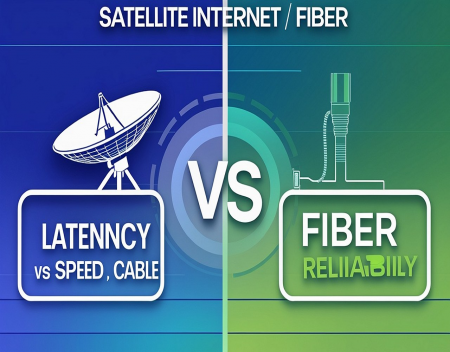
Access to fast, reliable internet has become essential for modern life. Whether you're working remotely, attending online classes, streaming movies, playing online games, or simply browsing the web, your internet connection plays a major role in your daily experience. Today, two technologies are attracting significant attention: fiber internet and satellite internet.
Fiber has long been considered the gold standard for speed and reliability, while satellite internet has undergone a remarkable transformation in recent years, offering broadband access to areas that were previously underserved. But how do these technologies compare, and which one is the better choice?
The answer depends largely on where you live and how you use the internet.
How Fiber Internet WorksFiber internet uses strands of glass or plastic fibers to transmit data as pulses of light. Because light travels incredibly fast and experiences very little signal loss over long distances, fiber connections can deliver exceptionally high speeds with very low latency.
Unlike older DSL or cable connections, fiber is capable of handling enormous amounts of data simultaneously. Many residential fiber services now offer symmetrical upload and download speeds, meaning sending files is just as fast as receiving them.
This makes fiber ideal for activities such as:
Fiber has become the preferred solution for businesses, content creators, and households with multiple users because it provides consistent performance even during peak usage hours.
How Satellite Internet WorksSatellite internet operates very differently. Instead of sending data through underground cables, signals travel between your home and satellites orbiting the Earth.
Traditional satellite internet relied on large geostationary satellites positioned approximately 36,000 kilometres above the Earth's surface. While this allowed internet access almost anywhere, the long travel distance introduced significant latency, making activities like gaming and video conferencing less responsive.
Newer satellite systems use thousands of low Earth orbit (LEO) satellites that fly much closer to the planet. This dramatically reduces latency while increasing overall performance.
For people living in rural communities, remote cabins, farms, or northern regions where fiber may never be installed, satellite internet can provide broadband speeds that were previously unavailable.
Speed ComparisonWhen comparing raw speed, fiber remains the clear winner.
Residential fiber connections commonly offer speeds ranging from 500 Mbps to several gigabits per second. Multi-gigabit plans continue becoming more widely available as providers expand their infrastructure.
Satellite internet has improved significantly in recent years and can now deliver download speeds that satisfy most everyday users. Streaming video, web browsing, online shopping, and video conferencing all work well under good conditions.
However, satellite performance can vary depending on network congestion, weather conditions, and the number of users connected to the satellite network.
For users who regularly download massive files or work with large cloud-based projects, fiber generally provides faster and more consistent performance.
Latency MattersOne of the biggest differences between the two technologies is latency.
Latency measures how long it takes for information to travel between your device and its destination.
Fiber connections typically have extremely low latency because data travels directly through physical cables.
Satellite internet, even with modern low Earth orbit satellites, still requires signals to travel hundreds of kilometres into space before reaching ground stations and internet servers.
For everyday browsing, this difference may be barely noticeable.
However, for activities such as:
lower latency can provide a noticeably smoother experience.
ReliabilityFiber is generally considered one of the most reliable forms of internet available.
Since the cables are buried underground or installed on utility infrastructure, weather has relatively little impact on service quality.
Satellite internet is more exposed to environmental conditions.
Heavy rain, snow, ice, or severe storms can sometimes weaken or interrupt the signal. Modern satellite systems have improved weather resistance considerably, but severe conditions can still temporarily affect performance.
For businesses that rely on uninterrupted connectivity, fiber often offers greater long-term stability.
AvailabilityAvailability is where satellite internet truly shines.
Installing fiber requires digging trenches, laying cables, obtaining municipal approvals, and investing millions of dollars in infrastructure. As a result, fiber deployment often focuses first on cities and densely populated suburban areas.
Many rural communities still have limited broadband options.
Satellite internet, by contrast, requires only a clear view of the sky and a properly installed satellite dish.
For remote homes located far from existing fiber networks, satellite may be the only practical high-speed option available.
InstallationFiber installation usually involves running a cable from the provider's network directly into your home or business.
Once installed, the connection generally requires very little maintenance.
Satellite installation typically includes mounting a dish with an unobstructed view of the sky and positioning it precisely to communicate with the satellite network.
Trees, nearby buildings, or terrain can sometimes affect signal quality if they block part of the sky.
Cost ConsiderationsPricing varies considerably depending on location and provider.
Fiber often offers excellent value where available, particularly considering its high speeds and low latency.
Satellite equipment sometimes requires purchasing or renting specialized hardware, including the dish and modem. Monthly service costs may also be higher than comparable fiber plans in some areas.
However, for users with no wired broadband alternatives, the additional cost may be worthwhile.
The Impact of Artificial IntelligenceArtificial intelligence is increasing demand for high-speed internet.
AI-powered applications frequently upload data to cloud servers, generate images and videos, analyze documents, process voice commands, and synchronize large AI models.
Fiber's enormous bandwidth makes it particularly well suited for these workloads.
Satellite internet can also support many AI applications, although large transfers may take longer depending on connection speed and network conditions.
As AI becomes integrated into more everyday software, demand for reliable broadband will continue growing.
The FutureBoth technologies will continue improving over the coming years.
Fiber providers are expanding their networks while introducing faster multi-gigabit services capable of supporting future technologies such as virtual reality, augmented reality, advanced cloud computing, and immersive telepresence.
Satellite providers continue launching additional low Earth orbit satellites to improve coverage, reduce congestion, and lower latency.
Rather than competing directly, the two technologies are increasingly complementing one another.
Fiber will likely remain the preferred choice in urban and suburban areas where infrastructure already exists, while satellite will continue bringing broadband to locations where laying fiber is impractical or prohibitively expensive.
Which One Should You Choose?If fiber internet is available at your home or business, it is generally the better choice. It offers higher speeds, lower latency, greater reliability, and better long-term scalability. Whether you're streaming multiple 4K videos, working remotely, gaming online, or running a business, fiber provides outstanding performance across virtually every category.
However, if you live in a rural or remote area where fiber isn't available, modern satellite internet is an impressive alternative. It has evolved dramatically over the past decade and now provides broadband performance that was once impossible outside major cities.
Ultimately, the best internet connection is the one that meets your needs. Fiber remains the benchmark for speed and reliability, while satellite has become a powerful solution for connecting people regardless of where they live. Together, these technologies are helping build a future where fast internet is available to more people than ever before.
Great experience with Computer Geek. They helped with my website needs and were professional, respon . . . [MORE].

Great, quick service when my laptop went into meltdown and also needed Windows 11 installed. Also ca . . . [MORE].
It was a great experience to working with you. thank you so much. . . . [MORE].
Thank you so much for great service and over all experience is good . highly recommended for all peo . . . [MORE].
We engaged The Computer Geeks in mid-2023 as they have a reputation for API integration within the T . . . [MORE].

The Rise of Automation in
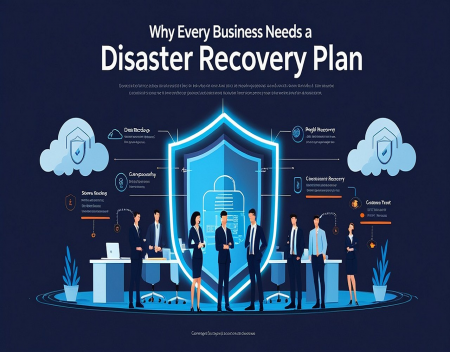
Why Every Business Needs
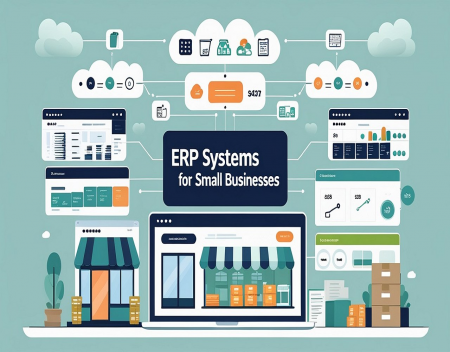
ERP Systems for Small Bus