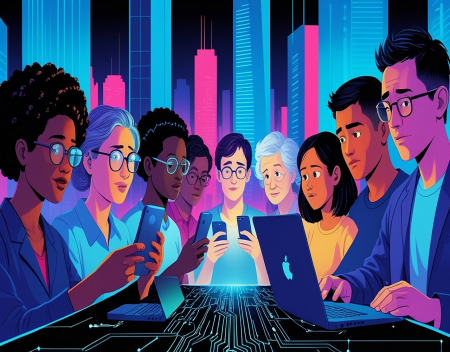
The modern world is more connected than at any other point in human history. Billions of people carry smartphones, communicate instantly across continents, stream high-definition video, participate in online education, and access vast amounts of information with a few taps or clicks. The internet has transformed how people work, learn, shop, socialize, and conduct business. Yet despite this unprecedented level of connectivity, a significant gap remains between those who have access to digital technologies and those who do not. This gap is commonly known as the digital divide.
The digital divide refers to the disparity between individuals, communities, and regions that have reliable access to modern information technology and those that lack such access. While the term originally focused on internet connectivity, it has expanded to include differences in device ownership, digital skills, broadband quality, affordability, and the ability to effectively use technology.
At first glance, it may seem surprising that a digital divide still exists. After all, internet access has become widespread in many countries, and smartphones are more common than ever. However, access to technology is not distributed evenly. Millions of people around the world still lack reliable internet connections, modern devices, or the skills needed to participate fully in the digital economy.
Geography remains one of the largest contributors to the digital divide. Urban areas often benefit from high-speed broadband networks, multiple service providers, and advanced wireless infrastructure. Rural and remote communities frequently face a very different reality. In some regions, broadband service may be unavailable, slower, less reliable, or significantly more expensive.
This disparity can have serious consequences. Students in underserved areas may struggle to participate in online learning. Businesses may have difficulty competing in digital markets. Residents may face challenges accessing government services, healthcare resources, or employment opportunities that increasingly rely on internet connectivity.
Affordability is another important factor. Even when internet service is available, the cost of devices and monthly connectivity can be a barrier for many households. Computers, smartphones, tablets, software subscriptions, and broadband plans represent significant expenses for families with limited financial resources.
As more services move online, the inability to afford technology can create additional disadvantages. Job applications, banking services, educational programs, and healthcare resources are increasingly accessed through digital platforms. Those without reliable access may find themselves excluded from opportunities that others take for granted.
The digital divide also exists between generations. Younger individuals often grow up surrounded by technology and may develop digital skills naturally through everyday use. Older adults may face a steeper learning curve when adapting to new technologies, online services, and rapidly changing digital environments.
Digital literacy has become an increasingly important aspect of the divide. Simply having internet access does not guarantee meaningful participation in the digital world. Users must understand how to navigate websites, evaluate information, protect their privacy, recognize online scams, and use digital tools effectively.
A person with a high-speed internet connection but limited digital skills may still struggle to benefit fully from technology. As a result, educational initiatives focused on digital literacy have become an important part of efforts to reduce the digital divide.
The COVID-19 pandemic highlighted these challenges dramatically. During periods of remote work and online learning, reliable internet access became essential for millions of people. Students without adequate devices or connectivity often faced significant educational disadvantages. Workers lacking access to suitable technology found it more difficult to participate in remote employment opportunities.
The rise of artificial intelligence is introducing new dimensions to the digital divide as well. AI-powered tools are becoming increasingly important in education, business, healthcare, and productivity. Those with access to advanced AI technologies may gain significant advantages in efficiency and information access. Meanwhile, individuals without access to these tools risk falling further behind.
Developing nations face additional challenges. While mobile connectivity has expanded rapidly across much of the world, infrastructure limitations, economic barriers, and geographic obstacles continue to affect internet adoption in many regions. Efforts by governments, technology companies, and international organizations seek to expand connectivity, but progress remains uneven.
Addressing the digital divide requires a combination of infrastructure investment, affordability programs, education, and policy initiatives. Expanding broadband networks into underserved areas is often a critical first step. Equally important are efforts to provide affordable devices, lower connectivity costs, and improve digital literacy.
Public libraries, schools, community centers, and nonprofit organizations frequently play important roles in bridging technology gaps. These institutions often provide internet access, training programs, and technology resources for individuals who might otherwise lack opportunities to participate in the digital world.
Despite the challenges, significant progress has been made over the past two decades. Internet access continues to expand globally, devices are becoming more capable and affordable, and awareness of digital inclusion issues is growing. New technologies such as satellite internet and advanced wireless networks may help bring connectivity to regions that have traditionally been difficult to serve.
In the end, the digital divide is about more than technology. It is about access to education, employment, healthcare, information, and economic opportunity. In a world that becomes more connected every year, ensuring that everyone has the ability to participate fully in digital society remains one of the most important challenges of the information age. As technology continues to evolve, bridging the digital divide will be essential for creating a more inclusive and equitable future.
Great experience with Computer Geek. They helped with my website needs and were professional, respon . . . [MORE].

Great, quick service when my laptop went into meltdown and also needed Windows 11 installed. Also ca . . . [MORE].
It was a great experience to working with you. thank you so much. . . . [MORE].
Thank you so much for great service and over all experience is good . highly recommended for all peo . . . [MORE].
We engaged The Computer Geeks in mid-2023 as they have a reputation for API integration within the T . . . [MORE].

ERP Systems for Small Bus
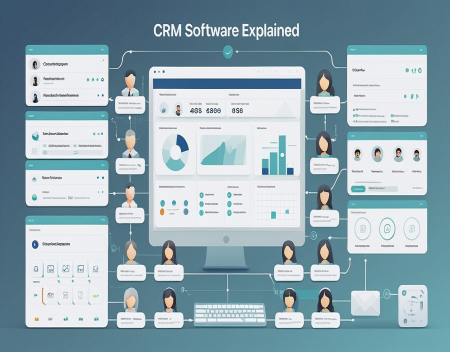
CRM Software Explained
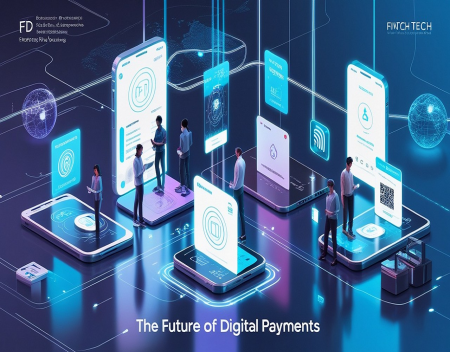
The Future of Digital Pay