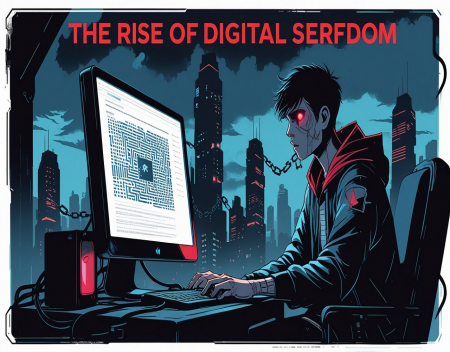
The phrase digital serfdom describes a growing concern that modern technology may be recreating forms of dependence that resemble older feudal systems, where individuals rely heavily on powerful platforms for income, communication, identity, and even social belonging. While today’s world is built on choice and innovation rather than hereditary status, critics argue that the structure of the digital economy increasingly concentrates power in the hands of a few large platforms, leaving users and workers with limited autonomy despite the illusion of freedom.
In medieval societies, serfs were bound to land controlled by lords, providing labor in exchange for protection and access to resources. In the digital era, people are not legally bound to corporations, yet many depend on specific platforms to earn a living or maintain a social presence. Content creators rely on algorithms for visibility. Gig workers depend on apps for assignments and income. Small businesses rely on marketplaces that control fees, search rankings, and access to customers. While participation is technically voluntary, leaving these ecosystems can mean losing income, audience reach, or professional relevance, creating a subtle form of digital dependence.
Algorithmic control is a defining feature of this dynamic. Unlike traditional employment structures with clear rules and human managers, many digital workers operate under opaque systems that determine their opportunities without explanation. A change in an algorithm can drastically reduce a creator’s visibility or a driver’s earnings overnight. This lack of transparency mirrors the unpredictability that historically kept laborers dependent on authority figures, except now decisions are made by automated systems rather than individual overseers.
Data ownership adds another layer to the issue. Users generate vast amounts of information through their online activities, which platforms use to refine algorithms, target advertising, and increase profits. In many cases, individuals receive no direct compensation for the value they create, even though their data fuels the economic engine of the digital economy. This dynamic raises questions about whether people are becoming unpaid contributors to systems that extract value from their behavior and attention.
Social pressures reinforce digital dependence. Professional networking, community building, and cultural participation increasingly occur online. For many people, opting out of dominant platforms means isolation or missed opportunities. This can make digital participation feel less like a choice and more like an obligation, especially for younger generations who grow up in an environment where online presence is closely tied to identity and success.
However, the concept of digital serfdom is not universally accepted. Supporters of current technology models argue that platforms provide unprecedented opportunities for entrepreneurship, creativity, and global connection. Individuals can build businesses, share ideas, and reach audiences without traditional gatekeepers. From this perspective, dependence is simply a trade off for access to powerful tools that were once unimaginable.
Still, concerns about power imbalance continue to grow. Governments and advocacy groups are exploring regulations that address algorithmic transparency, labor protections for gig workers, and stronger rights over personal data. Some innovators are experimenting with decentralized platforms and cooperative models designed to give users greater control and a share in the value they help generate.
The rise of digital serfdom reflects a broader tension between convenience and autonomy in the modern world. As technology becomes more integrated into everyday life, the question is not whether digital systems will shape society, but how much control individuals will retain within them. Ensuring that technological progress empowers rather than confines people will require thoughtful policy, ethical design, and a renewed commitment to balancing innovation with human agency.
Great experience with Computer Geek. They helped with my website needs and were professional, respon . . . [MORE].

Great, quick service when my laptop went into meltdown and also needed Windows 11 installed. Also ca . . . [MORE].
It was a great experience to working with you. thank you so much. . . . [MORE].
Thank you so much for great service and over all experience is good . highly recommended for all peo . . . [MORE].
We engaged The Computer Geeks in mid-2023 as they have a reputation for API integration within the T . . . [MORE].
The Hidden Cost of Free A
The Psychology of Notific
Why Subscription Services