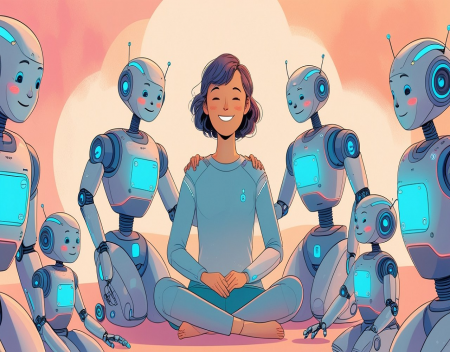
The idea of robots providing companionship was once the territory of science fiction, imagined as metallic friends walking beside humans or as synthetic caretakers designed to support the lonely. Today this concept is rapidly becoming reality. From AI-powered pets that mimic lifelike behaviors to humanoid social robots capable of holding conversations, expressing simulated emotions, and offering comfort, robo-companions are stepping into the emotional space once reserved solely for people and animals. Their rise brings excitement, anxiety, and deep ethical questions about what it means to bond with a machine.
Modern robo-companions are more than simple gadgets. They are interactive systems designed to understand voice commands, recognize faces, track emotional states, and adapt their behavior based on past interactions. For elderly individuals living alone, these machines can provide reminders to take medication, offer conversation, detect emergencies, and even inspire a sense of purpose. For children, they can serve as playmates, tutors, and sources of comfort. For adults, AI companions can help manage stress, encourage healthier habits, or simply fill the silence in a home that might otherwise feel empty. They create a sense of presence and predictability that many people find soothing.
But there is a major tension at the heart of robo-companionship. These machines are designed to mimic emotional understanding without actually experiencing it. They do not feel joy when a user comes home or sadness when a user is distressed. Their responses are the result of algorithms optimized to appear caring. Some argue that this is harmless because the comfort provided is real, even if the emotions behind it are simulated. Others worry that encouraging emotional bonds with machines risks weakening human-to-human relationships or fostering unrealistic expectations of support.
A key ethical concern lies in vulnerability. People who suffer from loneliness, depression, or declining cognitive functions may become deeply attached to their robotic companions. While this attachment can provide stability and emotional relief, it can also make individuals dependent on a product controlled by a corporation. What happens if a company discontinues a model, shuts down its servers, or implements changes that alter the robot’s personality? When emotional support is powered by software, a simple update can change the behavior of a companion that felt like a friend. In extreme cases, a robo-companion’s shutdown can feel like a form of loss.
Privacy is another challenge. Robo-companions often require microphones, cameras, sensors, and continuous cloud connectivity. This data can be used to improve interactions, but it also raises the possibility of surveillance and monetization. When an emotional bond forms with a robot, individuals might not realize how much personal information they are freely sharing. The same robot that comforts someone may also be gathering insights about their habits, preferences, and vulnerabilities.
Still, many experts argue that robo-companions should not be dismissed as mere distractions or replacements for human relationships. When integrated thoughtfully, they can enhance quality of life, reduce the burden on caregivers, and provide meaningful engagement for those who would otherwise experience isolation. The key is not to pretend these machines are human but to design them in ways that support, rather than erode, human emotional well-being.
The rise of robo-companions forces society to confront important questions. Is emotional authenticity necessary for comfort? Should machines be allowed to simulate empathy? At what point does a helpful tool become a surrogate for human connection? As robotic companionship becomes increasingly common, the goal should be to use these technologies to supplement our emotional lives, not substitute them. Their value lies not in replacing real relationships but in filling the gaps when human connection is limited or unavailable.
In the end, robo-companions represent both the promise and the paradox of modern technology. They can offer comfort, support, and even joy. But they also challenge our understanding of relationships, vulnerability, and what it truly means to bond. Their presence may shape the future of emotional well-being, but it will be up to humanity to decide how deeply we allow machines to enter our hearts.
Great experience with Computer Geek. They helped with my website needs and were professional, respon . . . [MORE].

Great, quick service when my laptop went into meltdown and also needed Windows 11 installed. Also ca . . . [MORE].
It was a great experience to working with you. thank you so much. . . . [MORE].
Thank you so much for great service and over all experience is good . highly recommended for all peo . . . [MORE].
We engaged The Computer Geeks in mid-2023 as they have a reputation for API integration within the T . . . [MORE].

ERP Systems for Small Bus

CRM Software Explained

The Future of Digital Pay